In the shadow of global food systems that prioritize cosmetic perfection, a quiet revolution is taking root. The "Ugly Food" movement, as it has come to be known, challenges the deeply ingrained standards of beauty that govern our produce aisles and ultimately dictate what ends up on our plates—and what gets discarded. This is not merely about reducing waste; it is a profound reexamination of our relationship with food, an attempt to dismantle an aesthetic tyranny that has cost us billions in lost nutrition and immeasurable environmental damage.
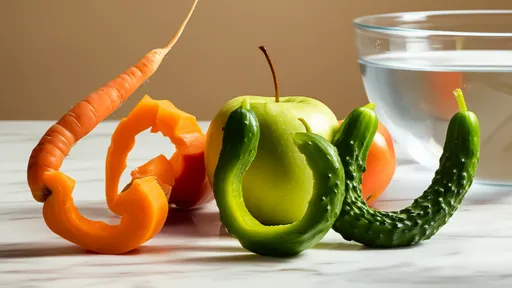
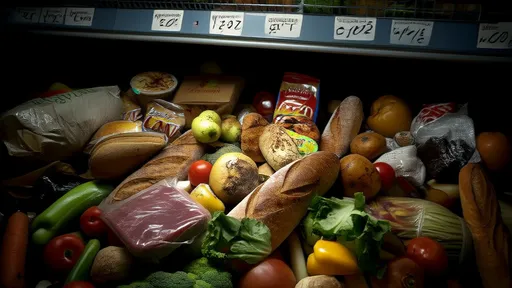
The scale of the problem is staggering. It is estimated that nearly one-third of all food produced for human consumption is lost or wasted annually. A significant portion of this waste occurs before the food even has a chance to leave the farm. Perfectly edible fruits and vegetables are routinely plowed back into the soil, fed to animals, or sent to landfills for the simple crime of being too crooked, too small, too large, or too blemished to meet the exacting specifications of supermarkets and consumers. A carrot must be straight, an apple must be flawlessly red, and a potato must be a uniform oval. These arbitrary standards, often codified in EU regulations and large-scale retail contracts, have created a system where nutrition and flavor are secondary to appearance.
The origins of this waste are complex, woven into the fabric of modern industrial agriculture and retail logistics. Supermarkets argue that consumers simply will not buy produce that looks abnormal, creating a cycle of demand for uniformity. This, in turn, pressures farmers to overplant to ensure they can meet volume contracts with perfect-looking specimens, knowing a large percentage of their harvest will be deemed unsellable. The result is a colossal inefficiency: land, water, fertilizers, and labor are expended to grow food that is never eaten, all while millions face food insecurity. The environmental toll is equally devastating, as this wasted food decomposes in landfills, generating methane, a potent greenhouse gas that accelerates climate change.
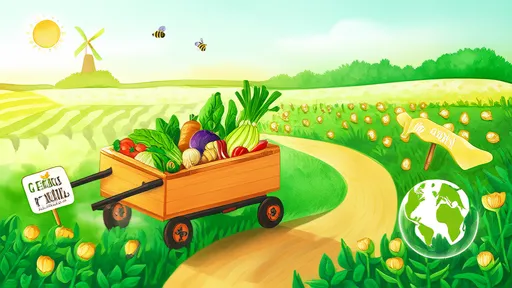
Enter the Ugly Food movement. What began as scattered initiatives by environmentally conscious farmers and frustrated chefs has blossomed into a global campaign. Its champions are a diverse group: activists who see the injustice, entrepreneurs who spot an opportunity, and chefs who value taste over looks. They argue that a twisted cucumber is just as crisp and a knobby tomato often bursts with more flavor than its perfectly round, hydroponic counterpart. The movement's core mission is to redefine value, shifting the focus from how a fruit or vegetable looks to how it nourishes us.
On the front lines are the retailers and startups daring to challenge the status quo. In France, the supermarket chain Intermarché launched its celebrated "Inglorious Fruits and Vegetables" campaign, selling imperfect produce at a 30% discount. The campaign was a runaway success, selling out of the "ugly" items and dramatically increasing store traffic. This proved a powerful point: when presented with a compelling narrative and a better price, consumers are more than willing to look past cosmetic flaws. Across the globe, companies like Imperfect Foods in the United States and Oddbox in the UK have built entire business models on "rescuing" this rejected produce directly from farms and delivering it to subscribers' doors, creating a market for food that would otherwise be wasted.
The movement's impact extends beyond the economic. There is a powerful educational component at play. By celebrating the natural, irregular shapes of produce, these initiatives reconnect consumers with the reality of farming. Food does not grow in plastic wrappers; it grows in dirt, under sun and rain, and is subject to the whims of nature. A little scarring or an unusual shape is not a sign of inferior quality but a testament to its authentic journey from field to fork. This reconnection fosters a greater appreciation for the work of farmers and the natural world, encouraging more mindful consumption habits.
However, the path forward is not without its obstacles. Critics of the movement worry that creating a separate, discounted market for "ugly" produce might inadvertently reinforce the very standards it seeks to overthrow. They argue it still frames these items as "less than," a second-class category of food deserving of a lower price, rather than normalizing natural variation. The ultimate goal, they contend, should be the complete integration of all aesthetically diverse produce into the main aisles at standard prices, erasing the distinction altogether. Furthermore, logistical challenges remain. Sorting and packing irregularly shaped items can require different equipment and processes than the highly automated systems designed for uniform produce, posing an initial hurdle for large-scale adoption.
Despite these challenges, the cultural shift is undeniable. The conversation around food waste has moved from the margins to the mainstream, and the Ugly Food movement is a significant driver of that change. It represents a move towards a more ethical and sustainable food system—one that values substance over style, abundance over perfection, and common sense over wasteful convention. It is a reminder that true beauty in our food lies not in its flawless exterior, but in its purpose: to provide sustenance, joy, and health.
The next time you stand before a bin of apples, consider reaching for the one with a slight imperfection. That simple act is a vote for a less wasteful world. It is a small but powerful gesture of defiance against a system that prizes appearance above all else, and an affirmation that what matters most is on the inside. The Ugly Food movement isn't just saving vegetables; it's helping to save our planet, one misshapen potato at a time.

By /Aug 29, 2025

By /Aug 29, 2025

By /Aug 29, 2025

By /Aug 29, 2025

By /Aug 29, 2025
By /Aug 29, 2025
By /Aug 29, 2025
By /Aug 29, 2025
By /Aug 29, 2025

By /Aug 29, 2025
By /Aug 29, 2025

By /Aug 29, 2025

By /Aug 29, 2025

By /Aug 29, 2025
By /Aug 29, 2025

By /Aug 29, 2025

By /Aug 29, 2025

By /Aug 29, 2025
By /Aug 29, 2025
By /Aug 29, 2025
