In school cafeterias across the globe, the humble student lunch plate serves as a fascinating window into cultural values, nutritional philosophies, and educational priorities. Far from being a mere meal, it reflects a nation's relationship with food, health, and its future generations. While some countries prioritize gourmet experiences and locally sourced ingredients, others focus on efficiency, cost-effectiveness, or combating childhood obesity. This culinary mosaic tells a story that goes beyond nutrition, offering insights into how different societies nurture their youth.
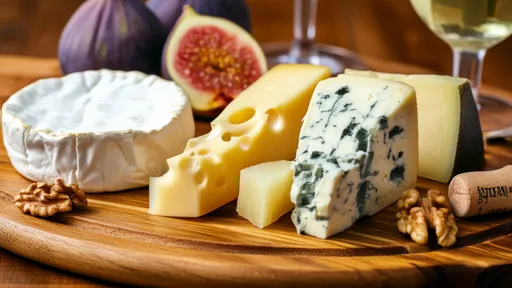
Take a journey to France, where the school lunch is treated not as an obligation but as an essential part of education. Here, students might enjoy a starter of beet salad, a main course of grilled fish with steamed green beans and herbs, a cheese course, and a fruit dessert. Meals are often served on real plates with proper cutlery, and time is allocated for students to savor their food. The emphasis is on teaching children the art of dining, appreciating flavors, and understanding the importance of balanced, high-quality meals. It’s a ritual that instills lifelong habits and respect for food culture.
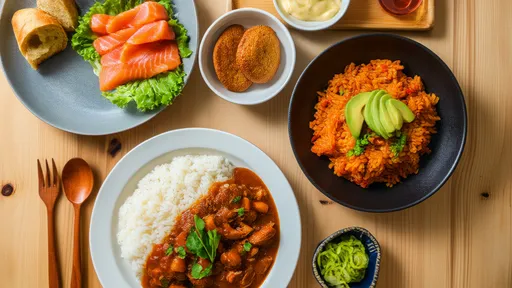
Meanwhile, in Japan, the school lunch system, known as kyushoku, is a well-orchestrated program that blends nutrition, education, and community. Meals are designed to be both healthy and aesthetically pleasing, typically consisting of rice, miso soup, a protein such as fish or tofu, and a variety of vegetables. Milk is often provided alongside. What sets Japan apart is the involvement of students in serving meals and cleaning up, fostering responsibility and teamwork. The menus are crafted by nutritionists to ensure they meet strict dietary guidelines, and they often incorporate traditional dishes to preserve cultural heritage.
Across the Atlantic, the United States presents a more varied and often contentious landscape. School lunches have long been a battleground for nutrition advocates, budget constraints, and corporate interests. While recent initiatives have pushed for more fruits, vegetables, and whole grains, many schools still struggle with processed foods due to cost and convenience. However, there are shining examples of innovation, such as farm-to-school programs that bring fresh, local produce into cafeterias, or districts that hire chefs to revamp menus and make healthy food appealing to young palates.
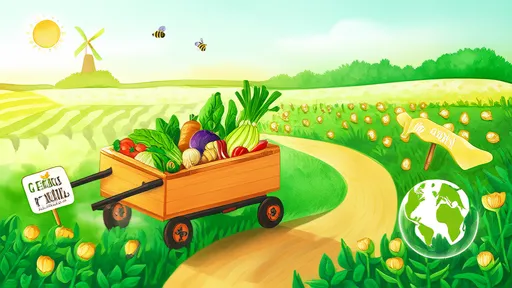
In Brazil, the National School Feeding Program mandates that a significant portion of ingredients must come from local family farms. This not only ensures fresh, nutritious meals for students but also supports regional agriculture and economies. A typical plate might include rice, beans, a protein like chicken or meat, and a portion of vegetables or fruits. The program is a powerful example of how school meals can be leveraged to achieve broader social and economic goals, embedding sustainability and community support into the daily diet of millions of children.
Italy’s approach mirrors its rich culinary reputation, with an emphasis on fresh, seasonal, and often organic ingredients. Menus are carefully designed to be balanced and are frequently inspired by traditional regional cuisines. Think whole grain pasta with fresh tomato sauce, leafy salads, olive oil, and lean proteins. Education around food is also key, with many programs teaching children about where their food comes from, how it’s grown, and why certain choices are healthier than others. It’s a holistic approach that ties food to identity and well-being.
In contrast, South Korea’s school lunches are a vibrant affair, known for their diversity and bold flavors. A typical meal might include kimchi, rice, a soup or stew, and several side dishes (banchan) featuring vegetables, tofu, or seafood. The meals are nutritionally dense and designed to introduce students to a wide range of tastes and textures. The government plays an active role in setting standards to reduce sodium and sugar, addressing public health concerns while celebrating the country’s culinary diversity.
Finland offers another compelling model, where free, nutritious lunches are provided to all students from primary through secondary school. The meals are designed to be simple yet wholesome, often featuring fish, potatoes, vegetables, and whole grains. There’s a strong focus on sustainability and reducing food waste, with students encouraged to take only what they will eat. The system is built on the principle that equal access to good food is a right, not a privilege, contributing to the country’s high educational outcomes and low levels of childhood inequality.
However, not all countries have the resources or infrastructure to provide such extensive programs. In many parts of the world, school meals are a critical lifeline, preventing malnutrition and encouraging attendance. Organizations like the World Food Programme work in numerous countries to provide basic meals that might consist of fortified porridge, legumes, or vitamin-rich biscuits. In these contexts, the lunch plate is less about gastronomy and more about survival and opportunity, highlighting the stark disparities in global access to nutrition.
What becomes clear through this global lunchroom tour is that there is no one-size-fits-all solution. Each country’s approach is shaped by its unique cultural, economic, and social landscape. Yet, common threads emerge: the growing recognition of food as education, the importance of balancing taste with health, and the potential of school meals to drive positive change beyond the cafeteria walls. As childhood obesity and diet-related diseases rise globally, these lessons become ever more critical.
Ultimately, the school lunch plate is a powerful symbol of how a society invests in its future. Whether it’s a meticulously prepared French meal, a balanced Japanese kyushoku, or a simple bowl of porridge in a developing nation, each represents a commitment to nurturing the next generation. By learning from each other’s successes and challenges, countries can continue to evolve their programs, ensuring that every student has the fuel they need to learn, grow, and thrive.

By /Aug 29, 2025

By /Aug 29, 2025
By /Aug 29, 2025

By /Aug 29, 2025

By /Aug 29, 2025
By /Aug 29, 2025

By /Aug 29, 2025
By /Aug 29, 2025
By /Aug 29, 2025

By /Aug 29, 2025
By /Aug 29, 2025

By /Aug 29, 2025

By /Aug 29, 2025

By /Aug 29, 2025
By /Aug 29, 2025

By /Aug 29, 2025
By /Aug 29, 2025

By /Aug 29, 2025

By /Aug 29, 2025
By /Aug 29, 2025
