The concept of food miles has gained significant traction in recent years as consumers and environmental advocates seek ways to reduce the carbon footprint of their diets. At its core, the idea is simple: the distance food travels from farm to plate is a key indicator of its environmental impact, particularly in terms of greenhouse gas emissions from transportation. This has led to a growing movement encouraging people to eat locally produced food, under the assumption that shorter supply chains are inherently more sustainable. However, the relationship between food miles and overall environmental impact is far more complex than it initially appears, involving a web of factors that extend well beyond mere distance.
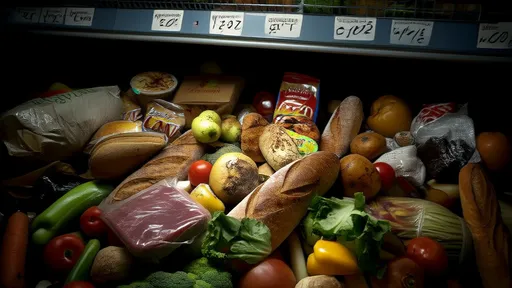
Proponents of the food miles metric argue that locally sourced food requires less transportation, which typically involves fossil fuels, thereby reducing carbon dioxide emissions. For example, a tomato grown in a community garden and sold at a nearby farmers market clearly travels a shorter distance than one shipped from another country or even across the continent. This reduction in transport can indeed lower emissions associated with logistics, such as those from trucks, ships, or airplanes. In regions with strong local agricultural systems, eating seasonally and locally can minimize the need for energy-intensive storage methods like refrigeration during long-haul transport, further enhancing the environmental benefits.
However, focusing solely on food miles can be misleading. Transportation is just one component of the total carbon footprint of food production. In many cases, the methods used to grow the food have a much larger environmental impact than the distance it travels. For instance, a study comparing the lifecycle emissions of locally grown produce in energy-intensive greenhouses versus the same produce grown naturally in a different climate and shipped in may reveal that the imported option has a lower overall carbon footprint. This is because the energy required for heating, lighting, and irrigating greenhouses in unsuitable climates can far exceed the emissions from transport.
Moreover, the mode of transportation plays a critical role. Shipping by sea, for example, is remarkably efficient in terms of emissions per ton-kilometer compared to air freight or even road transport. Therefore, food shipped over long distances by boat might have a smaller carbon footprint than food transported shorter distances by truck, especially if that truck is not fully loaded or operates inefficiently. This nuance is often overlooked in the food miles discourse, which tends to treat all transportation as equally damaging.
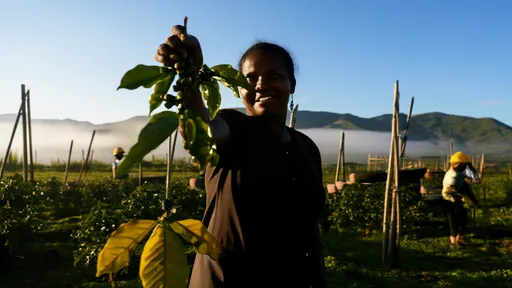
Another important consideration is the efficiency of agricultural practices in different regions. Some areas are naturally better suited for certain crops due to their climate, soil, and water availability. Producing food in these optimal regions can result in higher yields with lower inputs of water, fertilizers, and pesticides, which can offset the emissions from transportation. For example, it might be more environmentally friendly to grow wheat in large, efficient farms in North America and ship it to Europe rather than attempting to grow it locally in less suitable European soils with higher resource inputs.
Additionally, the focus on food miles can sometimes overshadow other significant environmental issues in agriculture, such as water usage, land degradation, biodiversity loss, and the carbon footprint of inputs like fertilizers. A local farm that relies heavily on synthetic fertilizers and irrigates with scarce water resources may have a larger environmental impact than a distant farm that uses more sustainable practices, even after accounting for transportation emissions. Thus, the sustainability of food cannot be judged by distance alone; it requires a holistic view of the entire production system.
The social and economic dimensions also complicate the picture. While buying local can support small-scale farmers and strengthen regional economies, it is not always feasible or desirable for all communities. Regions with harsh climates or limited arable land may depend on imports for a diverse and nutritious food supply. Furthermore, advocating for strictly local diets in developed countries could have negative consequences for farmers in developing nations who rely on agricultural exports for their livelihoods. This raises ethical questions about the global balance of trade and food security.
In conclusion, while the intention behind reducing food miles is commendable and can contribute to lower emissions in certain contexts, it is an oversimplified metric for assessing the environmental impact of our food choices. A more effective approach involves considering the entire lifecycle of food production, including agricultural practices, transportation modes, and resource efficiency. Consumers looking to make environmentally responsible choices should look beyond just the origin of their food and consider factors such as seasonality, production methods, and overall sustainability certifications. Ultimately, eating locally can be part of a sustainable diet, but it should not be the sole focus; a broader perspective is essential for truly reducing the carbon footprint of our food systems.

By /Aug 29, 2025

By /Aug 29, 2025

By /Aug 29, 2025

By /Aug 29, 2025

By /Aug 29, 2025

By /Aug 29, 2025

By /Aug 29, 2025
By /Aug 29, 2025
By /Aug 29, 2025

By /Aug 29, 2025
By /Aug 29, 2025

By /Aug 29, 2025

By /Aug 29, 2025

By /Aug 29, 2025

By /Aug 29, 2025

By /Aug 29, 2025

By /Aug 29, 2025

By /Aug 29, 2025

By /Aug 29, 2025

By /Aug 29, 2025
