When you reach for that bag of fair trade coffee or chocolate bar with the familiar certification logo, there's a comforting assumption behind that purchase. You're paying a premium price with the belief that the extra money is going directly to support farmers in developing countries. But how much of that additional cost actually reaches the hands of the producers who grew the beans or harvested the cocoa? The journey of your fair trade premium is more complex than most consumers realize.
The fair trade movement emerged with a noble mission: to create more equitable trading conditions between developed nations and producers in the global south. By establishing minimum price floors and providing premium payments for certified products, the system aims to ensure farmers receive a living wage that covers their production costs and supports their families. The familiar certification marks on products promise consumers that their purchase contributes to better working conditions, community development, and environmental sustainability.
Behind the certification logos lies a sophisticated system of checks, balances, and financial flows. When you pay extra for a fair trade product, that premium doesn't travel as a simple direct transfer from your wallet to a farmer's pocket. Instead, it enters a structured system managed by fair trade organizations, cooperatives, and certification bodies. The premium is typically paid to producer cooperatives rather than individual farmers, which then decide democratically how to allocate these funds between community projects and direct payments to members.
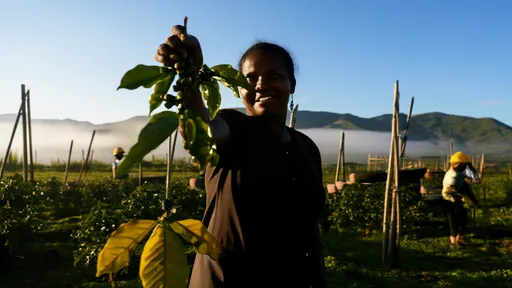
The distribution mechanism varies significantly depending on the product, the region, and the specific certification scheme. For coffee, cocoa, and other commodity crops, fair trade premiums are usually paid to cooperatives that then distribute a portion to farmers as cash payments while investing the remainder in community development projects. These might include building schools, healthcare facilities, or improving local infrastructure. The percentage that goes directly to farmers versus community projects differs across regions and organizations.
Certification costs represent the first deduction from fair trade premiums. Farmers or their cooperatives must pay annual certification fees to maintain their fair trade status. These fees cover the expenses of audits, inspections, and administrative costs of the certification bodies. While necessary to maintain the integrity of the system, these costs mean that not every additional dollar paid by consumers reaches the farming communities.
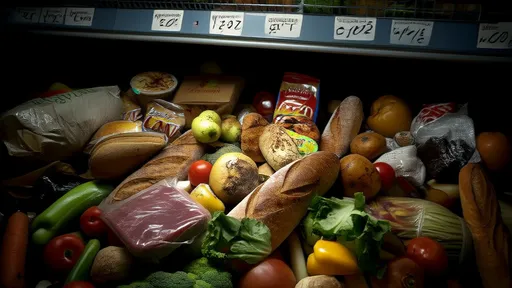
Supply chain complexities further impact how much premium money actually benefits farmers. Fair trade products often pass through multiple intermediaries—exporters, importers, processors, manufacturers, and retailers—each adding their own margins. While the premium itself is supposed to be separate from these commercial margins, the overall structure means that consumers pay significantly more than what eventually reaches producer communities.
Research studies have produced mixed findings about how much of the price premium actually benefits farmers. Some studies suggest farmers receive between 10-30% of the retail price premium, while others indicate higher percentages under optimal conditions. The variation depends on numerous factors including the product type, supply chain length, and specific certification program. What remains consistent across studies is that the entire premium never reaches farmers directly—portions are always allocated to certification costs, administrative expenses, and community projects.
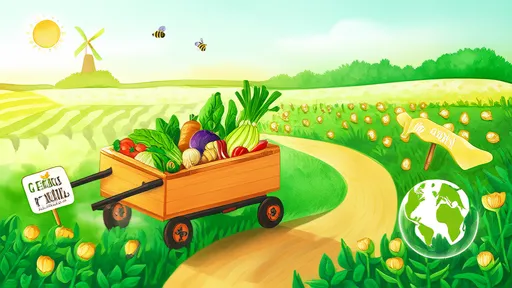
The impact of fair trade premiums extends beyond direct cash payments to farmers. Many farming communities have used fair trade funds to build schools, healthcare centers, and clean water systems that benefit entire regions. These community development projects, while not putting cash directly in farmers' pockets, create significant improvements in quality of life and social infrastructure. The democratic decision-making process within cooperatives ensures that communities themselves prioritize how to use these funds.
Critics of the current fair trade system point to the certification costs and complex supply chains as barriers to maximizing farmer benefits. They argue that the system has become increasingly commercialized, with large corporations participating in fair trade while maintaining business practices that critics consider contradictory to the movement's original values. Some suggest that direct trade relationships or alternative ethical certification schemes might deliver more substantial benefits to farmers.
Defenders of fair trade certification emphasize that while not perfect, the system has created measurable improvements for millions of farmers worldwide. They point to research showing that fair trade farmers often receive higher prices than conventional market rates, enjoy more stable incomes, and benefit from community development projects that would not otherwise exist. The certification process itself provides important protections regarding working conditions, environmental practices, and democratic organization.
Transparency within the fair trade system has improved significantly over the years, though challenges remain. Many fair trade organizations now provide detailed reports on premium distribution, and some companies offer traceability tools that allow consumers to learn about specific farming communities behind their products. However, the complexity of global supply chains means that complete transparency from consumer to farmer remains difficult to achieve.
The question of whether your extra payment reaches farmers depends on how we define "reach." If we mean direct cash payments, then only a portion of the premium goes immediately to farmers. If we consider community development projects and social benefits, then a larger percentage ultimately benefits farming communities. The fair trade premium operates as a community development fund rather than a simple price supplement paid directly to individual producers.
Consumer awareness plays a crucial role in the effectiveness of fair trade systems. Educated consumers who understand how the system works can make more informed choices and support companies that demonstrate greater transparency and higher percentages of premium distribution to farmers. Some organizations now go beyond standard fair trade certification to establish more direct relationships with producer communities, often returning higher proportions of the premium to farmers.
Looking toward the future, digital technology promises greater transparency in fair trade systems. Blockchain technology, QR codes, and other traceability solutions are being implemented to provide consumers with detailed information about the journey of their premium payments. These innovations could potentially revolutionize how we track and verify the distribution of fair trade funds, addressing current transparency challenges.
The fair trade movement continues to evolve in response to criticism and changing market conditions. New certification models, direct trade initiatives, and hybrid approaches are emerging that aim to maximize benefits to farmers while maintaining consumer confidence. The ongoing dialogue between producers, certifiers, companies, and consumers helps drive improvements in the system.
When you purchase fair trade products, you are participating in a system that, despite its imperfections, represents one of the most established mechanisms for supporting ethical production practices. While not every extra dollar goes directly into a farmer's pocket, your premium contributes to a system that provides better prices, community development, and improved working conditions for farming communities. The key for conscious consumers is to research specific brands and certification programs to understand how they distribute premiums and which align most closely with their values.
The reality of fair trade premium distribution is nuanced—it's neither a perfect system where every extra cent reaches farmers nor an ineffective scheme that fails to benefit producers. It represents a meaningful step toward more ethical consumption while acknowledging the complexities of global trade. As consumers continue to demand greater transparency and better outcomes for farmers, the system will likely continue evolving to closer match the ideals that inspired its creation.

By /Aug 29, 2025

By /Aug 29, 2025

By /Aug 29, 2025

By /Aug 29, 2025

By /Aug 29, 2025

By /Aug 29, 2025

By /Aug 29, 2025
By /Aug 29, 2025
By /Aug 29, 2025

By /Aug 29, 2025
By /Aug 29, 2025

By /Aug 29, 2025

By /Aug 29, 2025
By /Aug 29, 2025

By /Aug 29, 2025

By /Aug 29, 2025

By /Aug 29, 2025

By /Aug 29, 2025

By /Aug 29, 2025

By /Aug 29, 2025
