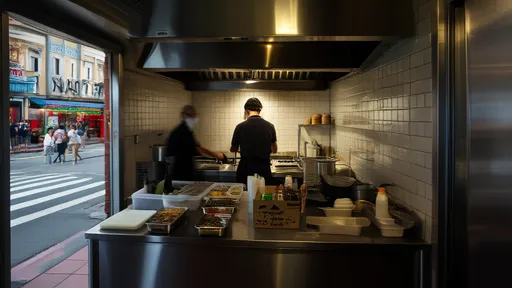
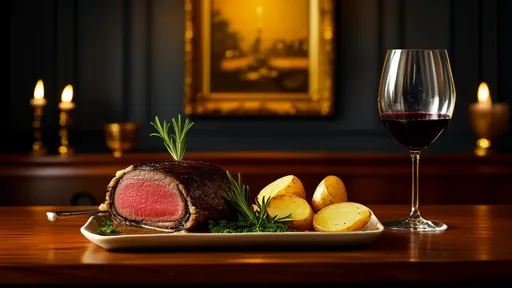
In the hushed, candlelit dining rooms of three-star Michelin restaurants and the bustling night markets of Southeast Asia, a quiet but persistent question lingers in the air, as palpable as the aroma of sizzling fat and exotic spices. It is the gourmand’s paradox: is the relentless, often expensive, pursuit of transcendent flavor an act of cultural appreciation or an undeniable marker of privilege? This inquiry extends far beyond the simple act of eating, probing the very nature of access, authenticity, and desire in a world of stark economic divides.
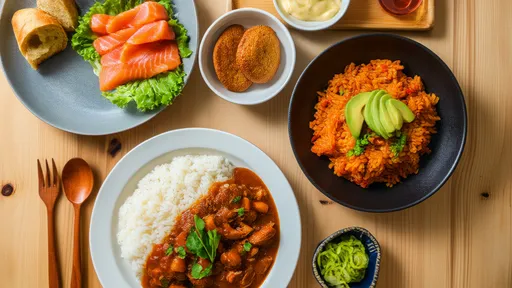
The modern foodie revolution, fueled by social media and a globalized economy, has democratized culinary curiosity to an unprecedented degree. A teenager in Ohio can watch a street vendor in Bangkok assemble a perfect Pad Thai and dream of tasting it. Food television transforms chefs into rock stars, and recipes from every corner of the globe are a mere click away. This apparent accessibility creates a powerful illusion—that the world’s flavors are a universal right, a shared human heritage waiting to be explored by any with a curious palate. It suggests a flat world where a love for food is the great equalizer, connecting people across cultures through a universal language of taste.
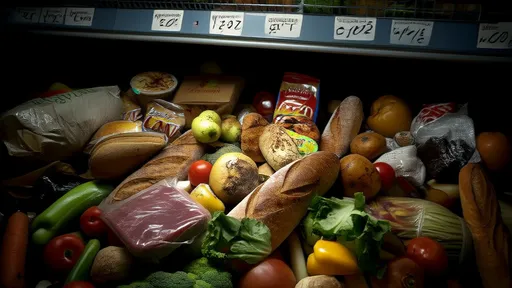
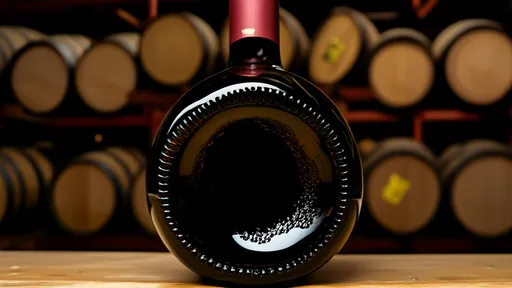
Yet, this illusion shatters upon contact with material reality. The journey to taste that specific Pad Thai from that specific vendor requires a passport, a plane ticket, and time off work—assets far from universal. This is the most literal layer of the privilege: geographic and financial access. The pinnacle of culinary pursuit is often guarded by formidable economic barriers. A meal at a world-renowned temple of gastronomy can cost hundreds, even thousands, of dollars—the price of a used car for a few hours of sensory bliss. The ingredients themselves often tell a story of extraction: white truffles foraged in the Italian Piedmont, bluefin tuna flown in from the Tsukiji market, rare spices sourced from remote islands. These are not mere commodities; they are luxury goods, their value inflated by scarcity, labor, and the cost of logistics. The pursuit of the "best" is, by its very nature, an exclusionary game where the leaderboard is sorted by wealth.
But the paradox deepens beyond the obvious economics. There exists a more subtle, yet perhaps more pernicious, form of privilege: cultural and epistemic access. The individual who travels to a foreign land to "discover" its authentic cuisine approaches it from a position of power. They are a consumer in a dynamic where locals are often the producers. This pursuit can unintentionally create a market that caters to the outsider’s idealized, and often romanticized, notion of authenticity. In seeking the "most authentic" taco, pho, or curry, the foodie tourist can distort local foodways, pushing vendors to perform a static version of their culture for economic survival, rather than allowing cuisine to evolve organically as it always has. The authority to define what is "authentic" or "truly delicious" becomes concentrated in the hands of affluent outsiders and the influencers and critics who guide them, often sidelining the tastes and preferences of the community that actually created the food.
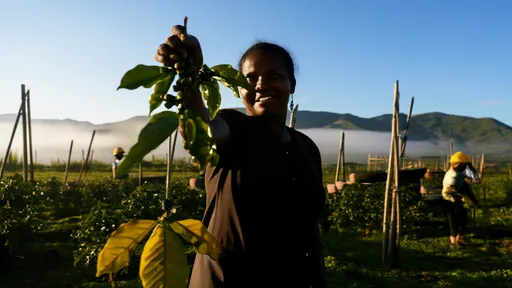
This dynamic raises profound ethical questions. When does appreciation become appropriation? When does a quest for flavor become a form of culinary colonialism, extracting cultural capital for personal gratification? The history of many beloved ingredients—spices, sugar, coffee—is deeply entangled with histories of exploitation and empire. The modern foodie’s pursuit, however well-intentioned, can sometimes feel like a palatable echo of this past, where the resources and cultural output of one group are consumed for the pleasure and status of another. The privilege, in this sense, is not just to consume, but to consume without having to bear the historical weight or present-day struggles associated with that food’s origin.
Conversely, to dismiss the entire pursuit as mere privilege is to ignore the profound human connection that food can forge. For many chefs and serious eaters, the quest is not about status but about understanding. It is a form of deep travel, a way to engage with a culture on its own terms through its most fundamental expression. This pursuit can be an act of respect, a diligent effort to learn, honor, and preserve culinary traditions that might otherwise be eroded by globalization and homogenization. In this light, the foodie becomes not an extractor but a patron and a student, their financial contribution helping to sustain artisan producers, family farms, and centuries-old techniques that are no longer profitable in a mainstream market.
Perhaps the resolution to the gourmand’s paradox lies not in a binary answer but in a shift of mindset. The privilege of access is undeniable. The ethical imperative, then, is to wield that privilege with consciousness and humility. It is the difference between being a passive consumer and an engaged participant. It means understanding the context behind the cuisine, compensating producers fairly, and listening to the voices of the community from which the food originates. It means recognizing that the "best" meal is not always the most expensive or the most hyped; sometimes, it is the one shared with others, embedded in its rightful context, and appreciated for what it represents rather than just for its novelty or complexity.
Ultimately, the pursuit of ultimate deliciousness is a deeply human desire, a testament to our capacity for wonder and delight. It becomes problematic only when it is divorced from empathy and awareness. The true privilege is not merely the ability to taste the world, but to do so with a deep sense of responsibility—to appreciate the labor, the history, and the culture on the plate. In the end, the most exquisite flavor of all might be that of connection, seasoned not with entitlement, but with gratitude and respect.

By /Aug 29, 2025

By /Aug 29, 2025
By /Aug 29, 2025

By /Aug 29, 2025
By /Aug 29, 2025
By /Aug 29, 2025
By /Aug 29, 2025
By /Aug 29, 2025
By /Aug 29, 2025

By /Aug 29, 2025
By /Aug 29, 2025
By /Aug 29, 2025
By /Aug 29, 2025
By /Aug 29, 2025
By /Aug 29, 2025

By /Aug 29, 2025
By /Aug 29, 2025

By /Aug 29, 2025

By /Aug 29, 2025

By /Aug 29, 2025
