In an age of instant gratification and rapid consumption, there exists a culinary tradition that demands the one resource modern life seldom affords: patience. The art of homemade miso is not a weekend project or a quick kitchen hack; it is a slow, deliberate dance with time, microbes, and transformation. It is a practice that connects the maker to the seasons, to the rhythms of fermentation, and ultimately, to a depth of flavor that simply cannot be purchased. This is the story of a year-long journey with soybeans, koji, and salt, a waiting game that yields the most profound umami reward.
The journey begins not with a complex recipe, but with an understanding of its humble yet powerful components. At its heart, miso is a fermented paste made from just three core ingredients: soybeans, koji (rice inoculated with the mold Aspergillus oryzae), and salt. The magic, however, lies not in the ingredients themselves, but in the alchemy that occurs when they are combined and left to their own devices. The soybeans provide the protein-rich foundation, the koji is the enzymatic engine that drives the fermentation, breaking down starches and proteins into sugars and amino acids, and the salt acts as both a guardian against unwanted spoilage and a conductor, orchestrating the slow, complex symphony of flavors.
Preparation is a ritual of care. The dried soybeans must be soaked overnight, their hard, pale yellow forms slowly plumping with water, a physical promise of the softening to come. The next day, they are simmered for hours until they achieve a tenderness so complete they can be crushed effortlessly between thumb and forefinger. This is a crucial step; undercooked beans will resist the koji's efforts, resulting in a crude, gritty paste. Meanwhile, the koji and salt are mixed together thoroughly, ensuring every grain of rice is coated. This isn't just mixing; it's the first step in building a stable environment for the right microbes to thrive.
The moment of marriage is both visceral and profoundly satisfying. The cooked soybeans are drained, and while still warm, they are mashed. Some prefer a chunky texture, others a completely smooth puree; this choice is the first personal signature on the batch. The warm bean mash is then combined with the salty koji mixture. Hands are the best tools here. The squelching, pressing, and kneading of the mixture is a physical connection to the process. The goal is a homogeneous consistency where no pockets of dry koji or whole beans remain. The mixture should hold together when pressed in your fist, a damp, gritty, and aromatic clay ready to be shaped into its future.
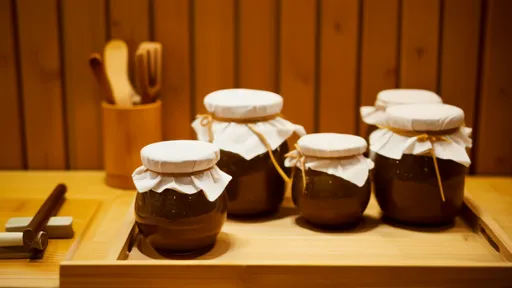
Now comes a critical step that feels almost violent: the packing. The mixture is transferred into a clean, wide-mouthed crock or jar. With each handful added, it must be pressed down firmly to eliminate any air pockets. Oxygen is the enemy of the desired anaerobic fermentation; it can invite mold of the unwelcome variety. The pressing is methodical and thorough, a compaction of potential. Once all the miso is in the vessel, the surface is smoothed and wiped clean around the edges. Then, more salt is sprinkled over the entire surface—a protective barrier. A weight is placed directly on the paste, often a sealed bag filled with more salt, to press down continuously and create a tight seal. The lid is closed, and if the vessel isn't perfectly airtight, the opening might be covered with cloth and secured to keep out insects and dust, while still allowing the faintest breath of air to pass.
And then, you wait. The crock is moved to a cool, dark, and undisturbed place—a basement, a pantry cupboard, a quiet corner. This is not passive forgetting; it is active waiting. You have created a tiny, self-contained ecosystem and entrusted it to time. For the first few weeks, curiosity might get the better of you. You might lift the lid to check, greeted by a faint, yeasty, and slightly alcoholic aroma—a sign that early-stage yeast fermentation is underway. But after that initial peek, the best practice is to truly leave it alone. The transformations happening within are slow, silent, and miraculous. Over months, the enzymes from the koji work relentlessly, breaking down the complex structures of the beans and rice. Starches convert to sugars, proteins unravel into a multitude of amino acids, including glutamic acid, the source of profound umami. Fats break down, contributing to a richer, rounder mouthfeel.
Seasonal changes outside the crock are mirrored within. The warmth of summer accelerates the fermentation, making the mixture more active. The cold of winter slows it down, allowing for a longer, more gradual maturation. This seasonal dance is integral to developing complexity. A miso fermented only in a constant, warm climate would mature faster but might lack the layered nuance of one that has lived through the cycles of a full year.
After six months, the miso is technically edible. It would be mild, sweet, and simple—a pleasant but one-dimensional condiment. The true magic, the depth that defines a great miso, requires a full year, or even two or three. This extended aging is where the sharp edges soften, the salty intensity mellows, and the flavors intermarry and deepen into something transcendent. The bright, almost cheesy note of young koji evolves into a deep, savory, nutty, and almost meaty aroma. The color darkens from a golden beige to a deep caramel or rich chocolate brown, depending on the ingredients and time.
The day of harvest is an event. After a year of anticipation, opening the crock is unveiling a treasure. The surface might have a thin, dark layer that is scraped away, revealing the gorgeous, deep-hued miso beneath. The aroma that wafts up is incomparable: an intense, salty, funky, and incredibly inviting scent of pure umami. A taste is revelatory. It is deep and complex, with a sweetness that follows the initial saltiness, a profound savory character, and no harshness. The texture is smooth, creamy, and luxurious. This is not just miso; it is your miso, a product of your patience and care.
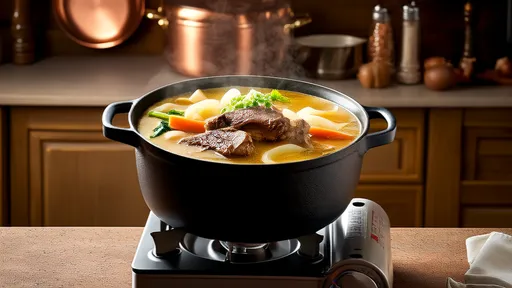
The applications are endless and glorious. A spoonful dissolved in hot water makes a dashi broth so flavorful it needs no other enhancement. It becomes the soul of miso soup, elevating it from a simple staple to a deeply nourishing experience. It can be used as a marinade for fish or poultry, imparting a savory crust and tenderizing quality. Whisked with vinegar and oil, it creates a salad dressing with incredible depth. It can be spread on vegetables before roasting or stirred into stews and braises to add a layer of rich, savory foundation.
But beyond its culinary uses, the homemade miso represents something greater. In a world of speed, it is an act of slowness. It is a commitment to process over product, to depth over immediacy. That jar in the cupboard is a quiet rebellion, a testament to the belief that some of the best things in life cannot be rushed. They must be nurtured, trusted, and given the generous gift of time. The resulting flavor is not merely taste on the tongue; it is the taste of patience itself, condensed into a rich, brown paste—a year of waiting, harvested in a single, sublime spoonful.

By /Aug 29, 2025

By /Aug 29, 2025
By /Aug 29, 2025

By /Aug 29, 2025

By /Aug 29, 2025

By /Aug 29, 2025
By /Aug 29, 2025
By /Aug 29, 2025
By /Aug 29, 2025
By /Aug 29, 2025

By /Aug 29, 2025
By /Aug 29, 2025
By /Aug 29, 2025

By /Aug 29, 2025
By /Aug 29, 2025
By /Aug 29, 2025
By /Aug 29, 2025
By /Aug 29, 2025
By /Aug 29, 2025
By /Aug 29, 2025
