There exists a world of flavor beyond the standard cheddar or mozzarella found in most supermarkets, a universe of texture and taste waiting to be explored. Embarking on a journey through cheese is akin to becoming an armchair traveler, sampling the terroir of distant pastures and the artistry of generations of cheesemakers without ever leaving your kitchen. This adventure, from the gentle, welcoming shores of fresh cheese to the formidable, awe-inspiring peaks of blue cheese, is one of the most rewarding pursuits for the palate. It is a brave journey, but every brave traveler needs a guide.
Our expedition begins not with a roar, but with a whisper. Fresh cheeses are the perfect starting point for any novice, their mild and creamy profiles acting as a gentle introduction to the wider world. These are cheeses that have not been aged, or affinaged, and thus their character is pure, milky, and often delightfully tangy. Think of the soft, spreadable joy of a fromage blanc or the delicate, milky curds of a high-quality ricotta. The king of this category, however, is without a doubt fresh mozzarella. When truly fresh, it is a revelation—a soft, springy pouch of sweet milk and whey, a world away from the rubbery balls vacuum-sealed in plastic. Another cornerstone is fresh chèvre, or goat cheese. Its distinct, lemony tang and creamy, spreadable texture make it incredibly versatile. Tasting these cheeses is about appreciating purity. There are no complex notes from aging, no crystalline textures; just the honest, unadulterated flavor of excellent milk. It is the calm before the delicious storm.
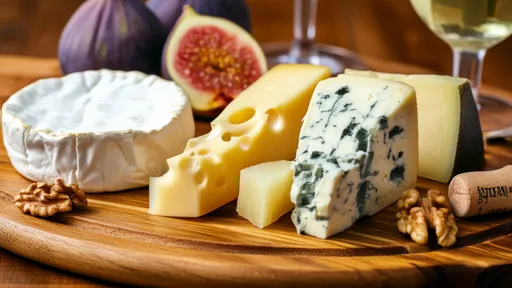
As we venture further inland, the terrain becomes more varied and the flavors more pronounced. We now enter the realm of soft-ripened and bloomy-rind cheeses. These are the cheeses that have been introduced to specific molds, like Penicillium camemberti, which are sprayed onto the surface to create that iconic, edible white rind. This rind is not a barrier; it is an integral part of the tasting experience, contributing earthy, mushroomy, and sometimes even ammoniated notes that contrast beautifully with the interior paste. The most famous ambassadors here are Brie and Camembert. A perfectly ripe Brie will ooze decadently at room temperature, offering a buttery, rich, and slightly nutty flavor. Camembert is often its more robust cousin, with a deeper, earthier, and more pungent aroma. The magic of these cheeses is in their transformation. From the outside in, you experience a gradient of textures and flavors—from the fungal complexity of the rind to the unctuous, creamy heart. It is a lesson in balance and a testament to the power of controlled decay to create something sublime.
The journey now takes a firm turn. We leave the soft landscapes behind and approach the territory of the hard and aged cheeses. Here, time is the primary ingredient. Wheels are pressed to expel moisture and then aged for months, or even years, in climate-controlled caves or cellars. This patient process concentrates the milk's flavors and develops deep, complex notes of caramelization, fruit, and nuts. The textures become granular, crystalline, and satisfyingly firm. Parmigiano-Reggiano is the undisputed monarch of this category. Its hard, gritty texture shatters into salty, umami-rich shards that taste of toasted nuts and broth. Aged Gouda, with its beautiful butterscotch sweetness and crunchy protein crystals, is another superstar. Then there are the cloth-bound cheddars, offering a sharp, tangy, and sometimes earthy profile that is profoundly different from the plastic-wrapped blocks we commonly know. Tasting these cheeses is an exercise in patience and attention. They demand to be savored, allowing each crystalline shard to slowly dissolve on the tongue, releasing a cascade of savory flavors built over years. This is where milk achieves its deepest, most profound expression.
And now, brave traveler, we stand before the final frontier: the blue cheeses. This is the part of the journey that separates the curious from the truly courageous. These cheeses are inoculated with strains of Penicillium roqueforti or Penicillium glaucum and then pierced with needles to allow oxygen to circulate, encouraging the mold to grow throughout the paste in beautiful, marbled veins. The result is a category of cheese that is famously bold, pungent, and polarizing. The aroma alone can be a challenge—an intense, earthy, and sometimes spicy scent that announces the cheese's powerful presence long before it reaches your tongue. But to overcome this initial apprehension is to discover one of the great delights of the culinary world.
The spectrum within blue cheese itself is vast. On one end, you have a creamy, approachable Danish Blue or a Gorgonzola Dolce. These are milder blues, with a buttery, spreadable paste and a gentle, tangy blue flavor that serves as a perfect introduction. Then, you have the classics like Roquefort, made from sheep's milk, which is sharper, saltier, and crumbly, with a profound tang that lingers on the palate. At the far end of the spectrum reside the powerhouses like Stilton. A well-aged Stilton is a complex beast—creamy yet crumbly, with a robust, earthy flavor and a penetrating sharpness that is simultaneously bracing and addictive. The key to enjoying blue cheese is understanding that the mold is not a flaw; it is the feature. It provides a sharp, salty, piquant punch that contrasts stunningly with the rich, creamy base of the cheese. Pair it with something sweet, like a drizzle of honey or a ripe pear, and you will experience a flavor harmony that is nothing short of spectacular. Confronting a strong blue cheese is an act of bravery that is richly rewarded with some of the most unique and memorable flavors in all of gastronomy.
So, how does one prepare for such a voyage? The rules are simple. First, always allow your cheese to come to room temperature before serving. This is non-negotiable. Cold temperatures mute flavor and solidify fat, locking away the very aromas and textures you want to experience. Take your cheeses out of the refrigerator at least an hour beforehand. Second, be mindful of pairings. While cheese is glorious on its own, the right accompaniment can elevate it to new heights. Fresh cheeses love fresh, acidic partners like bright tomatoes or a squeeze of lemon. Soft-ripened cheeses are classic with Champagne or a crisp cider that cuts through their richness. Hard, aged cheeses pair wonderfully with nutty notes, like those in a walnut bread, or with the sweetness of dried fruits. And for blue cheese, as mentioned, seek out sweet or fortified partners—port wine, sherry, or honey are classic for a reason. They tame the boldness and create a perfect balance.
This journey from the safe harbor of fresh cheese to the thrilling, stormy seas of blue is one of the greatest adventures you can have with your senses. It is a path of discovery that teaches you about microbiology, terroir, history, and, most importantly, your own palate. With each new cheese you try, you are not just eating; you are learning. You are developing a vocabulary of flavors and textures. Do not be afraid. Be curious. Be bold. Your courage will be repaid a thousandfold in deliciousness. The world of cheese is vast and welcoming to all who approach it with an open mind and an eager spoon. Now, go forth and explore.

By /Aug 29, 2025

By /Aug 29, 2025

By /Aug 29, 2025

By /Aug 29, 2025
By /Aug 29, 2025

By /Aug 29, 2025

By /Aug 29, 2025

By /Aug 29, 2025

By /Aug 29, 2025
By /Aug 29, 2025
By /Aug 29, 2025
By /Aug 29, 2025

By /Aug 29, 2025

By /Aug 29, 2025
By /Aug 29, 2025
By /Aug 29, 2025

By /Aug 29, 2025

By /Aug 29, 2025
By /Aug 29, 2025
By /Aug 29, 2025
