Different Schools of Vegetarianism: From Vegan to Flexitarian

Aug 29, 2025 By

The landscape of vegetarianism is far more nuanced than a simple binary of meat-eaters and non-meat-eaters. It is a spectrum of dietary and lifestyle choices, each defined by its own philosophy, level of commitment, and ethical considerations. From the strictest adherents to those who simply wish to reduce their meat consumption, the various schools of thought offer a path for nearly every inclination. Understanding the distinctions between them is key to appreciating the motivations behind this growing global movement.

At the most stringent end of the spectrum lies Veganism. This is not merely a diet but an entire philosophy and way of life. Vegans abstain from all animal products, which includes meat, poultry, fish, dairy, eggs, and honey. Their commitment extends beyond the plate to other aspects of consumption. They avoid leather, wool, silk, and any cosmetics or products tested on animals. The core motivations are typically a combination of profound animal welfare concerns, the significant environmental impact of animal agriculture, and potential health benefits. For a vegan, the choice is an ethical stance against the exploitation of sentient beings in any form.

A step removed from veganism is Lacto-Vegetarianism. This is one of the most traditional and common forms of vegetarianism practiced worldwide, particularly in cultures like India. Lacto-vegetarians exclude meat, fish, poultry, and eggs from their diet. However, they do include dairy products such as milk, cheese, yogurt, and butter. The acceptance of dairy often stems from cultural or religious traditions that view dairy as a pure or acceptable form of animal sustenance that does not require the harm of the animal.

Similarly, Ovo-Vegetarianism represents another specific branch. Ovo-vegetarians avoid meat, fish, poultry, and dairy but will consume eggs. This choice might be influenced by dietary preferences, allergies to dairy, or a particular ethical viewpoint that distinguishes between the production of unfertilized eggs and the dairy industry. Some individuals combine these two approaches, leading to the widely recognized Lacto-Ovo Vegetarianism. This group forms a large portion of vegetarians in Western countries, avoiding all animal flesh but consuming both dairy and eggs, finding it a practical and sustainable balance that still significantly reduces their impact on animal agriculture.

For those who make an exception for seafood, there is Pescetarianism. Pescetarians abstain from eating land animals like red meat and poultry but include fish and other seafood in their otherwise plant-based diet. The reasons for this choice are diverse. Some adopt it for health benefits, citing the importance of omega-3 fatty acids found in fish. Others may hold ethical beliefs that fish and seafood represent a lower form of consciousness than land animals, though this is a subject of much debate within the ethical eating community.

Perhaps the most flexible and increasingly popular approach is Flexitarianism, or casual vegetarianism. A flexitarian's diet is predominantly plant-based but occasionally includes meat, fish, or other animal products. There are no strict rules; the focus is on reduction rather than elimination. The "flexible" aspect is its defining characteristic. People are drawn to this style for its manageability and lack of dogma. It allows them to reap the health and environmental benefits of eating less meat without the pressure of absolute adherence, making it an accessible entry point for many looking to change their eating habits.

The motivations driving individuals toward these different paths are as varied as the diets themselves. For many, animal welfare is the paramount concern. The ethical objection to factory farming, animal slaughter, and the exploitation of sentient beings is a powerful catalyst. Documentaries and investigations into industrial farming practices have turned countless individuals toward vegan and vegetarian lifestyles. The belief that animals are not commodities to be used for human pleasure is a deeply held conviction for this group.

Another powerful driver is environmentalism. The livestock industry is a major contributor to greenhouse gas emissions, deforestation, water pollution, and biodiversity loss. People who are deeply concerned about their ecological footprint often adopt plant-based diets as one of the most effective personal actions to mitigate climate change. The environmental argument is particularly compelling for those who may not be primarily motivated by animal rights but are alarmed by the data on resource use and pollution associated with meat production.

Health and wellness also play a significant role. Numerous studies have linked plant-based diets to a lower risk of heart disease, hypertension, type 2 diabetes, and certain cancers. Some people adopt a vegetarian or flexitarian diet to manage their weight, improve energy levels, or simply feel better. While a vegan diet requires careful planning to avoid deficiencies in nutrients like Vitamin B12, Iron, and Calcium, many are convinced by the potential for long-term health benefits.

Furthermore, religious and cultural beliefs have advocated for vegetarian diets for millennia. Religions like Hinduism, Buddhism, and Jainism promote ahimsa, or non-violence towards all living things, which often translates into vegetarian practices. For these individuals, their diet is an expression of faith and spiritual discipline, deeply intertwined with their cultural identity and worldview.

Adopting any form of vegetarianism comes with its own set of considerations. For vegans and strict vegetarians, nutritional planning is crucial. Key nutrients of concern include Protein, Iron, Calcium, Vitamin D, Omega-3 fatty acids, and most notably, Vitamin B12, which is naturally found almost exclusively in animal products and must be supplemented in a vegan diet. Learning to read labels and understand the hidden animal derivatives in processed foods is another skill that must be developed.

The social dimension can also be challenging. Navigating family gatherings, restaurant menus, and social events requires communication and sometimes compromise. While societal understanding and options have improved dramatically, it can still be a source of friction or inconvenience. For flexitarians, the challenge is often internal—maintaining the discipline to keep meat consumption occasional rather than letting it slide back into a daily habit.

Despite these challenges, the movement continues to grow. The evolution of these dietary philosophies reflects a broader shift in global consciousness. It signifies a growing collective desire to align daily habits with deeper ethical, environmental, and health values. Whether one chooses the absolute commitment of veganism or the pragmatic reduction of flexitarianism, each step on this spectrum represents a conscious choice to redefine humanity's relationship with food, animals, and the planet.

Recommend Posts
Food

The Health Controversy of Artificial Sweeteners: Savior or Potential Health Risk?

By /Aug 29, 2025

In the ongoing battle against sugar consumption, artificial sweeteners have emerged as both celebrated heroes and controversial figures. Marketed as guilt-free alternatives to satisfy our sweet tooth, these sugar substitutes promise the pleasure of sweetness without the caloric consequences. Yet, beneath the surface of this seemingly perfect solution lies a complex web of scientific debate, conflicting studies, and passionate opinions from health experts and consumers alike.
Food

Different Schools of Vegetarianism: From Vegan to Flexitarian

By /Aug 29, 2025

The landscape of vegetarianism is far more nuanced than a simple binary of meat-eaters and non-meat-eaters. It is a spectrum of dietary and lifestyle choices, each defined by its own philosophy, level of commitment, and ethical considerations. From the strictest adherents to those who simply wish to reduce their meat consumption, the various schools of thought offer a path for nearly every inclination. Understanding the distinctions between them is key to appreciating the motivations behind this growing global movement.
Food

Dark Kitchens in the Food Industry: You May Never Meet the Chefs of Your Favorite Restaurants"

By /Aug 29, 2025

You've probably done it countless times: scrolling through food delivery apps, selecting your favorite restaurant, and placing an order for that perfectly plated dish that arrives at your doorstep still steaming hot. But have you ever stopped to wonder where that food actually comes from? The answer might surprise you, as it likely wasn't prepared in the bustling, neon-lit storefront you associate with the brand. Welcome to the shadowy, rapidly expanding world of the dark kitchen.
Food

The Secret of Delivery Algorithms: How Do They Decide Which Restaurant You See First?

By /Aug 29, 2025

In the age of instant gratification, where a steaming hot meal is just a few taps away, the digital menus that greet us on food delivery apps feel almost magical. They seem to know our deepest cravings before we do. But this is no magic trick. It is the result of a complex, often opaque, algorithmic decision-making process, a secret recipe that every major delivery platform guards fiercely. The question of which restaurant gets the prime real estate at the top of your screen is not one of chance; it is a calculated outcome influenced by a multitude of factors, all designed to optimize for the platform's success, which may or may not align perfectly with your own desires.
Food

The Gourmet's Paradox: Is the Pursuit of Ultimate Delights a Privilege?

By /Aug 29, 2025

In the hushed, candlelit dining rooms of three-star Michelin restaurants and the bustling night markets of Southeast Asia, a quiet but persistent question lingers in the air, as palpable as the aroma of sizzling fat and exotic spices. It is the gourmand’s paradox: is the relentless, often expensive, pursuit of transcendent flavor an act of cultural appreciation or an undeniable marker of privilege? This inquiry extends far beyond the simple act of eating, probing the very nature of access, authenticity, and desire in a world of stark economic divides.
Food

School Lunch Showdown: A Look at Student Meal Plates Around the World

By /Aug 29, 2025

In school cafeterias across the globe, the humble student lunch plate serves as a fascinating window into cultural values, nutritional philosophies, and educational priorities. Far from being a mere meal, it reflects a nation's relationship with food, health, and its future generations. While some countries prioritize gourmet experiences and locally sourced ingredients, others focus on efficiency, cost-effectiveness, or combating childhood obesity. This culinary mosaic tells a story that goes beyond nutrition, offering insights into how different societies nurture their youth.
Food

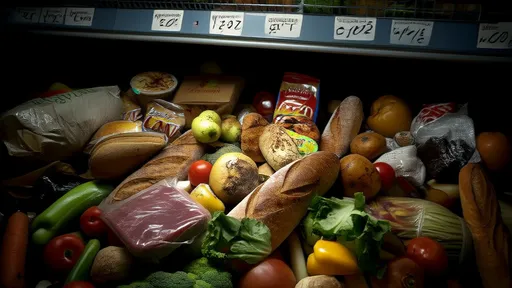
Ugly Food" Movement: Saving Perfectly Good Food Discarded for Appearance

By /Aug 29, 2025

In the shadow of global food systems that prioritize cosmetic perfection, a quiet revolution is taking root. The "Ugly Food" movement, as it has come to be known, challenges the deeply ingrained standards of beauty that govern our produce aisles and ultimately dictate what ends up on our plates—and what gets discarded. This is not merely about reducing waste; it is a profound reexamination of our relationship with food, an attempt to dismantle an aesthetic tyranny that has cost us billions in lost nutrition and immeasurable environmental damage.
Food

Fair Trade Certification: Does the Extra Money You Pay Really Reach the Farmers?

By /Aug 29, 2025

When you reach for that bag of fair trade coffee or chocolate bar with the familiar certification logo, there's a comforting assumption behind that purchase. You're paying a premium price with the belief that the extra money is going directly to support farmers in developing countries. But how much of that additional cost actually reaches the hands of the producers who grew the beans or harvested the cocoa? The journey of your fair trade premium is more complex than most consumers realize.
Food

Staggering Food Waste Data: Behind the Shocking Fact That One-Third of Global Food Is Wasted.

By /Aug 29, 2025

In the shadow of our global abundance lies a disturbing paradox: while nearly 800 million people suffer from chronic hunger, one-third of all food produced for human consumption never reaches a single mouth. This staggering statistic represents not just a moral failure but an environmental and economic crisis of monumental proportions. The scale of this waste is so vast that it defies easy comprehension—imagine every third farm, fishing boat, and orchard on earth working tirelessly to produce food that will ultimately rot in landfills or be destroyed before it can nourish anyone.
Food

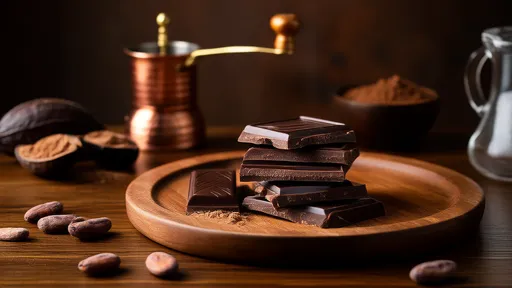
The Bean-to-Bar Movement of Handcrafted Chocolate: From Cocoa Beans to Chocolate Bars

By /Aug 29, 2025

The world of chocolate is experiencing a profound and delicious revolution, one that harks back to its most fundamental origins while simultaneously pushing the boundaries of flavor and craftsmanship. This movement, known as bean-to-bar, is a radical departure from the industrialized chocolate production that has dominated the global market for over a century. It is a philosophy, a meticulous process, and a passionate pursuit of quality that places the humble cocoa bean at the very center of the narrative. It is not merely about making chocolate; it is about understanding it, honoring its agricultural roots, and transforming it with an artist's touch and a scientist's precision.
Food

Food Miles: Is Eating Local Food Really More Environmentally Friendly?"

By /Aug 29, 2025

The concept of food miles has gained significant traction in recent years as consumers and environmental advocates seek ways to reduce the carbon footprint of their diets. At its core, the idea is simple: the distance food travels from farm to plate is a key indicator of its environmental impact, particularly in terms of greenhouse gas emissions from transportation. This has led to a growing movement encouraging people to eat locally produced food, under the assumption that shorter supply chains are inherently more sustainable. However, the relationship between food miles and overall environmental impact is far more complex than it initially appears, involving a web of factors that extend well beyond mere distance.
Food

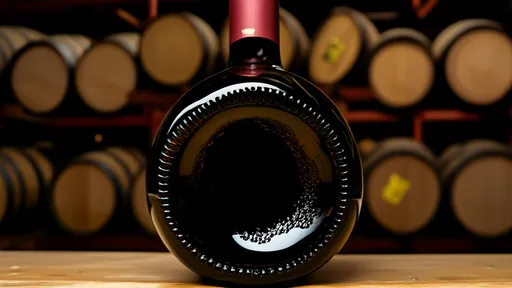
The Myth of Wine Bottle Grooves: Unrelated to Wine Quality

By /Aug 29, 2025

For generations, wine enthusiasts and casual drinkers alike have pondered the significance of the indentation at the base of wine bottles, known as the punt. Many have been led to believe that a deeper punt signifies a higher quality wine, a more prestigious producer, or even an older vintage. This belief has been perpetuated through word of mouth, casual dining conversations, and even some misguided retail advice. The notion seems intuitively appealing, almost romantic—a hidden code, a secret handshake among those in the know, suggesting that the bottle holds something truly special. It’s a compelling piece of wine folklore that has persisted despite a glaring lack of evidence.
Food

Does a Lower Seimai Buai" Number Mean Better Sake in Japan?

By /Aug 29, 2025

In the intricate world of sake, the term "seimaibuai" often emerges as a focal point of discussion among enthusiasts and novices alike. This metric, representing the rice polishing ratio, has long been touted as a key indicator of quality, with a prevailing belief that a lower number equates to a superior brew. But is this relationship as straightforward as it seems? To unravel this, one must delve into the very essence of sake production and the nuanced role that rice polishing plays in shaping the final character of Japan’s revered beverage.
Food

Craft Beer Style Guide: From IPA to Stout, One Chart to Understand Them All.

By /Aug 29, 2025

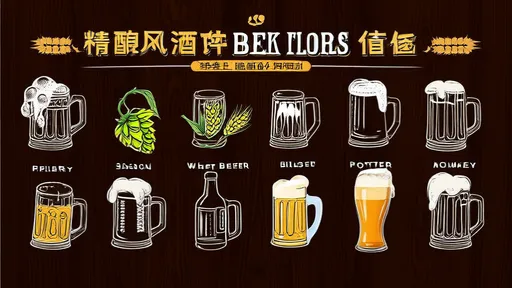
Navigating the world of craft beer can be both an exhilarating and daunting experience, especially when faced with the sheer diversity of styles available. From the hop-forward intensity of India Pale Ales to the rich, velvety depths of Stouts, each beer style tells a unique story through its ingredients, brewing techniques, and historical roots. Understanding these styles not only enhances appreciation but also guides enthusiasts toward new favorites and brewing innovations. This guide serves as a comprehensive overview, breaking down the characteristics that define popular categories without reducing them to mere bullet points.
Food

A Beginner's Guide to Cheese Tasting: From Fresh Cheese to Blue Cheese - A Journey for the Adventurous Palate.

By /Aug 29, 2025

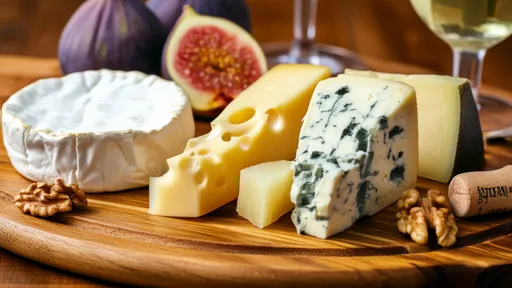
There exists a world of flavor beyond the standard cheddar or mozzarella found in most supermarkets, a universe of texture and taste waiting to be explored. Embarking on a journey through cheese is akin to becoming an armchair traveler, sampling the terroir of distant pastures and the artistry of generations of cheesemakers without ever leaving your kitchen. This adventure, from the gentle, welcoming shores of fresh cheese to the formidable, awe-inspiring peaks of blue cheese, is one of the most rewarding pursuits for the palate. It is a brave journey, but every brave traveler needs a guide.
Food

How to Taste Olive Oil Like an Expert: A Three-Step Method of Look, Smell, and Taste

By /Aug 29, 2025

There exists a certain quiet ceremony to tasting olive oil, a ritual practiced for centuries in the sun-drenched groves of the Mediterranean but often lost in translation by the time it reaches our supermarket shelves. To taste olive oil like an expert is to engage all your senses, to listen to the story the oil tells about its origin, its fruit, and its maker. It is not merely a culinary ingredient to be measured in a spoon; it is a living product, vibrant with character and nuance. The journey from bottle to understanding is a simple yet profound one, built upon the foundational pillars of sight, smell, and taste.
Food

In-Depth Guide to Making French Stock (Fond): The Soul of Western Cuisine Flavors

By /Aug 29, 2025

In the hushed, steam-kissed kitchens of France, where centuries of culinary tradition simmer in copper pots, there exists a foundation so fundamental, so revered, that it is whispered about with near-mythical status. This is the world of fond, the very soul of Western cuisine. More than a mere stock or broth, a true fond is an alchemical reduction, a concentration of essence, patience, and technique that forms the invisible backbone of countless sauces, soups, and stews. It is the unsung hero on which great dishes are built, a deep, resonant note that gives complexity and body without ever demanding the spotlight for itself.
Food

Homemade Miso Chronicles: The Rich Flavor Harvested After A Year of Waiting

By /Aug 29, 2025

In an age of instant gratification and rapid consumption, there exists a culinary tradition that demands the one resource modern life seldom affords: patience. The art of homemade miso is not a weekend project or a quick kitchen hack; it is a slow, deliberate dance with time, microbes, and transformation. It is a practice that connects the maker to the seasons, to the rhythms of fermentation, and ultimately, to a depth of flavor that simply cannot be purchased. This is the story of a year-long journey with soybeans, koji, and salt, a waiting game that yields the most profound umami reward.
Food

Home-aged Steak Practice: Trying Dry-Aging in an Old Fridge

By /Aug 29, 2025

There’s something undeniably primal and satisfying about cutting into a perfectly cooked steak, but for those looking to elevate their home culinary game, dry-aged beef represents the pinnacle of flavor and texture. While it may seem like a process reserved for high-end steakhouses or professional butchers, the art of dry-aging is something you can absolutely tackle at home with a bit of patience, the right setup, and an old refrigerator.
Food

Home Coffee Roasting Guide: How to Control Roast Levels to Unlock Different Flavors?

By /Aug 29, 2025

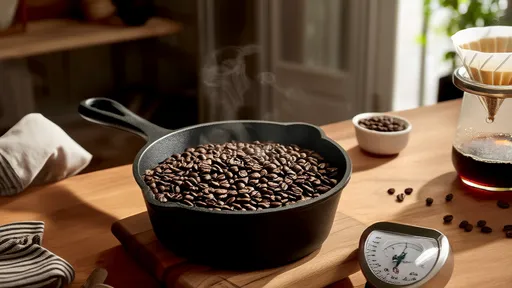
The journey of roasting coffee at home begins with understanding the fundamental transformation that occurs within each bean. As heat penetrates the cellular structure, a complex symphony of chemical reactions unfolds—caramelization of sugars, breakdown of acids, and the development of hundreds of aromatic compounds. This alchemy doesn't happen uniformly; it progresses through distinct visual, auditory, and olfactory stages that serve as your roadmap. Learning to read these signs is what separates arbitrary heating from intentional roasting. The beans will tell their story through color changes, audible cracks, and evolving aromas—your role is to listen, observe, and guide the narrative toward your desired flavor destination.