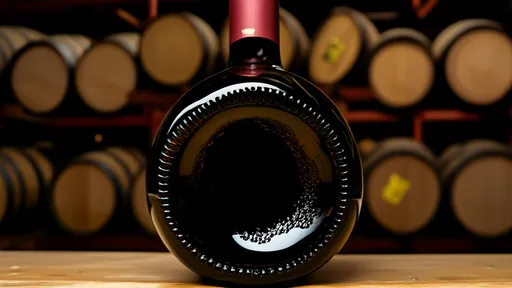
For generations, wine enthusiasts and casual drinkers alike have pondered the significance of the indentation at the base of wine bottles, known as the punt. Many have been led to believe that a deeper punt signifies a higher quality wine, a more prestigious producer, or even an older vintage. This belief has been perpetuated through word of mouth, casual dining conversations, and even some misguided retail advice. The notion seems intuitively appealing, almost romantic—a hidden code, a secret handshake among those in the know, suggesting that the bottle holds something truly special. It’s a compelling piece of wine folklore that has persisted despite a glaring lack of evidence.
However, the truth about the punt is far more pragmatic and considerably less mystical. The depth of the punt has absolutely no correlation to the quality, age, price, or provenance of the wine inside the bottle. This may come as a disappointment to those who enjoy a good vinous myth, but it is a fact confirmed by winemakers, viticulturists, and bottle manufacturers worldwide. The belief is a classic example of an enduring oenological legend, a piece of pseudoscience that sounds plausible enough to be accepted without question. The reality is that the punt is a feature of the bottle's design and manufacturing process, its depth determined by practical and historical considerations rather than any oenological ones.
The origins of the punt are deeply rooted in the history of glassblowing. Before the advent of automated bottle-making machines, glassblowers crafted bottles by hand. They would blow a glass bubble and then push the base upward to create a stable, flat-ish surface for the bottle to stand upon. This technique, known as "pushing up," naturally resulted in a concave indentation. A deeper push often resulted in a more stable base, which was crucial for preventing the bottle from rocking or tipping over. Furthermore, this design added structural integrity to the bottle, making it more resistant to the internal pressure of sparkling wines, which were among the first wines to be regularly bottled. The punt was essentially a byproduct of craftsmanship, a necessity of an old-world technique.
Even in the modern era of machine-made bottles, the punt persists due to a combination of tradition and continued, albeit evolved, practical benefits. While machines can easily produce bottles with completely flat bases, the punt remains a dominant design for several reasons. Firstly, it still contributes to the bottle's structural strength. The arched base is inherently stronger than a flat one, better able to withstand the high pressure inside bottles of Champagne, Prosecco, Cava, and other sparkling wines. This is why you will almost always find a very deep punt in a bottle of bubbly. For still wines, the structural benefit is less critical but still present, especially for bottles that may be aged for long periods or shipped across long distances.
Another practical reason is stability. Although a flat base seems like the most stable option, a well-designed punt actually provides a more reliable footing, especially on surfaces that are not perfectly level. The raised ring on the outer edge of the base creates a more consistent contact point. Furthermore, the punt makes the bottle easier to handle and pour from. A sommelier or server can securely place their thumb in the punt while cradling the base with their fingers, providing a firm and elegant grip for pouring, especially with heavier, larger format bottles like magnums. This ergonomic advantage is a valued feature in the service industry.
Beyond pure mechanics, the punt carries significant weight in terms of branding and consumer perception. The wine industry is as much about marketing and story-telling as it is about viticulture. A deep, impressive punt feels substantial and quality-oriented in the hand. It lends a certain heft and prestige to the bottle, subconsciously signaling to the consumer that the product within is worthy of its packaging. Many producers, particularly those in premium market segments, choose bottles with deeper punts specifically for this aesthetic and psychological effect. They are banking on the enduring myth to enhance the perceived value of their wine, knowing that a heavier bottle with a deep dent feels more luxurious.
So, if the punt doesn't indicate quality, what should a consumer look for? True indicators of wine quality are found on the label and in the glass, not on the bottom of the bottle. Focus on the producer's reputation, the specific region or vineyard (appellation), the vintage year, and the grape variety. These elements tell the real story of the wine's origin and potential character. Ultimately, the only way to truly judge a wine is by pulling the cork, pouring a glass, and tasting it. The color, the aroma, the complexity of flavors, and the balance on the palate are the only metrics that truly matter. The bottle is merely a vessel; the magic is in the liquid it contains.
In the end, the punt is a fascinating relic of history that has seamlessly transitioned into the modern world, shedding its original practical purpose for new ones. It is a testament to tradition, a tool for the trade, and a powerful piece of packaging psychology. The next time you pick up a bottle of wine, you can appreciate the punt for what it truly is: a clever piece of design engineering and marketing, not a secret code to be cracked. The real quality of the wine remains a delicious mystery, waiting to be revealed only when the bottle is opened and shared.

By /Aug 29, 2025

By /Aug 29, 2025

By /Aug 29, 2025

By /Aug 29, 2025

By /Aug 29, 2025

By /Aug 29, 2025
By /Aug 29, 2025

By /Aug 29, 2025

By /Aug 29, 2025
By /Aug 29, 2025

By /Aug 29, 2025
By /Aug 29, 2025
By /Aug 29, 2025
By /Aug 29, 2025
By /Aug 29, 2025

By /Aug 29, 2025
By /Aug 29, 2025

By /Aug 29, 2025

By /Aug 29, 2025
By /Aug 29, 2025
