The world of chocolate is experiencing a profound and delicious revolution, one that harks back to its most fundamental origins while simultaneously pushing the boundaries of flavor and craftsmanship. This movement, known as bean-to-bar, is a radical departure from the industrialized chocolate production that has dominated the global market for over a century. It is a philosophy, a meticulous process, and a passionate pursuit of quality that places the humble cocoa bean at the very center of the narrative. It is not merely about making chocolate; it is about understanding it, honoring its agricultural roots, and transforming it with an artist's touch and a scientist's precision.
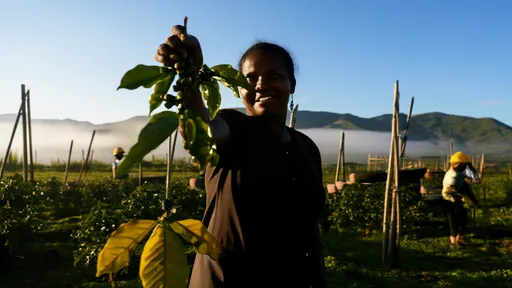
At its heart, the bean-to-bar movement is a story of reconnection. For decades, the average chocolate bar was the end product of a vast, opaque, and often exploitative supply chain. Major manufacturers would source bulk commodity cocoa, a product treated as a uniform raw material, and process it on an immense scale. The unique flavors inherent to different cocoa varieties and their terroir—the specific environmental conditions where they are grown—were typically obliterated by heavy roasting and standardized manufacturing, all in the name of achieving a consistent, mass-market flavor profile. The bean-to-bar chocolate maker shatters this model. They seek to know the origin of their beans, often building direct relationships with farmers or small co-operatives. This direct trade ensures not only a higher quality of bean but also promotes ethical and sustainable farming practices, offering a more equitable livelihood for growers.
The journey of a bean-to-bar chocolate bar is a long and labor-intensive one, beginning long before a cocoa bean ever reaches a maker's workshop. It starts in the tropical regions near the equator, where theobroma cacao trees thrive. The quality of the final chocolate is irrevocably shaped here, by the specific variety of cocoa (Criollo, Forastero, or Trinitario being the most well-known), the soil composition, rainfall, and sunlight. After harvesting, the beans are fermented and dried on the farm—two critical steps that are the farmer's first and most important contribution to developing the bean's flavor potential. Poor fermentation can ruin the best beans, while expert fermentation can unlock a breathtaking spectrum of flavors, from bright fruity notes to deep, nutty undertones. The bean-to-bar maker, understanding this, often works closely with farmers to hone these crucial post-harvest processes.
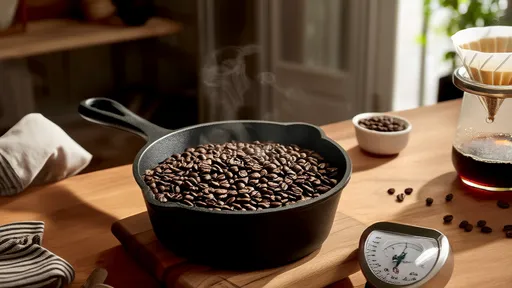
Once the carefully selected beans arrive at the chocolate maker's facility, the true transformation begins. The process is one of reduction and refinement, of patiently guiding the beans toward their ultimate expression. It starts with sorting, a meticulous task of removing any stray bits of pod, rock, or defective beans. The selected beans are then roasted, a step over which the maker exerts immense control. Unlike industrial producers who roast heavily to achieve a uniform "chocolatey" taste, bean-to-bar makers often use lighter, more precise roasts designed to highlight the bean's unique origin characteristics—a delicate dance that teases out notes of red berry, citrus, or honey without scorching them.
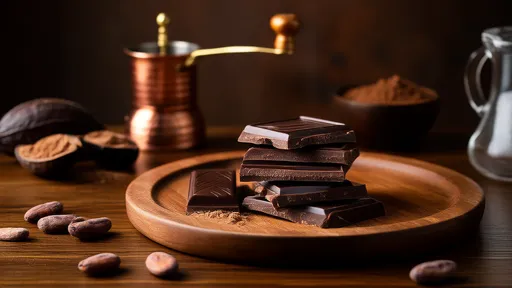
After roasting, the brittle shells are cracked and winnowed away, leaving behind the prized cocoa nibs. These nibs are then ground, traditionally between stone melangers, into a thick, gritty paste known as chocolate liquor (though it contains no alcohol). This is the purest form of chocolate. As the nibs are ground, the friction melts the inherent cocoa butter, creating a liquid mass. For dark chocolate, the maker will now add a precise amount of sugar, and sometimes a touch of extra cocoa butter or an emulsifier like lecithin. For milk chocolate, milk powder is incorporated. This mixture is then conched—a process of aerating, heating, and continuously grinding the chocolate for hours or even days. Conching further develops flavor by driving off unwanted acidic and volatile compounds and creating an impossibly smooth texture.
The final stages are about precision and patience. The liquid chocolate is tempered—a careful process of heating and cooling that aligns the cocoa butter crystals. Proper tempering gives the finished bar its characteristic glossy snap and stable structure, preventing it from developing a grayish bloom. The tempered chocolate is then poured into molds, tapped to release air bubbles, and cooled. Once set, the bars are wrapped, often by hand, ready to be shared with the world. Each step, from bean selection to tempering, is a series of deliberate decisions made by the maker, each one influencing the final flavor and texture, making every bar a direct reflection of its creator's vision and skill.
The impact of the bean-to-bar movement extends far beyond the realm of gourmet food. It represents a seismic shift in consumer consciousness. Chocolate lovers are becoming increasingly curious and knowledgeable. They are learning to taste chocolate much like wine or coffee, appreciating the nuances between a bar made with beans from Madagascar versus one from Ecuador. They are asking questions about provenance, ethics, and sustainability. This educated demand is pushing the entire industry, including the giants, to be more transparent about their sourcing and production methods. The movement has fostered a new appreciation for chocolate not as a mere sugary confection, but as a complex, nuanced, and culturally significant artisanal product.
Ultimately, the bean-to-bar movement is a return to authenticity. It is a rejection of homogeneity and a celebration of diversity, both in flavor and in the human connections that make it possible. It is about a chocolate maker in a small workshop, covered in cocoa dust, listening to the hum of a melanger, knowing that they are part of a chain that stretches from a specific farmer under a specific sun to a consumer who will truly taste and appreciate the journey in every single square. It is a reminder that the best things are not made quickly or cheaply, but with care, respect, and a deep love for the craft. In a world of mass production, it offers a richer, more flavorful, and more meaningful alternative, one exquisite bar at a time.

By /Aug 29, 2025

By /Aug 29, 2025
By /Aug 29, 2025

By /Aug 29, 2025
By /Aug 29, 2025
By /Aug 29, 2025
By /Aug 29, 2025
By /Aug 29, 2025
By /Aug 29, 2025
By /Aug 29, 2025
By /Aug 29, 2025
By /Aug 29, 2025
By /Aug 29, 2025
By /Aug 29, 2025
By /Aug 29, 2025
By /Aug 29, 2025
By /Aug 29, 2025
By /Aug 29, 2025

By /Aug 29, 2025
By /Aug 29, 2025
