You've probably done it countless times: scrolling through food delivery apps, selecting your favorite restaurant, and placing an order for that perfectly plated dish that arrives at your doorstep still steaming hot. But have you ever stopped to wonder where that food actually comes from? The answer might surprise you, as it likely wasn't prepared in the bustling, neon-lit storefront you associate with the brand. Welcome to the shadowy, rapidly expanding world of the dark kitchen.
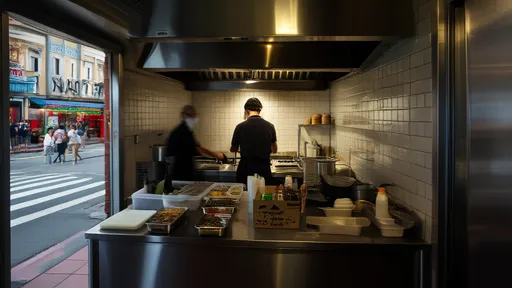
Also known as ghost kitchens, cloud kitchens, or virtual kitchens, these are food preparation facilities designed solely for delivery orders. They have no dining area, no waitstaff, and often, no obvious signage. They operate out of low-rent industrial parks, repurposed warehouses, or even shared spaces inside other establishments, completely invisible to the consumer. The rise of this model is fundamentally reshaping the restaurant industry, creating a parallel culinary universe that exists only on our smartphone screens.
The concept is simple yet revolutionary. A dark kitchen is a centralized, optimized production hub. Instead of investing a small fortune in a prime retail location with high visibility, expensive decor, and ample seating, entrepreneurs and established brands alike can focus all their capital and energy on the food itself. The overhead is drastically lower. There's no need to worry about ambiance, table turnover, or hostess stations. The entire operation is a machine built for one purpose: cooking food that travels well and gets to the customer quickly.
This model has been supercharged by the twin engines of technology and changing consumer habits. The ubiquitous presence of third-party delivery apps like DoorDash, Uber Eats, and Grubhub has created a massive, on-demand marketplace. For a generation increasingly comfortable with ordering everything from groceries to gadgets online, the idea of ordering dinner through an app is second nature. The COVID-19 pandemic acted as a massive accelerant, forcing restaurants to rely on takeout and delivery for survival and acclimating even the most hesitant customers to the practice.
For restaurant owners, the appeal is undeniable. Launching a new culinary concept becomes far less risky. A company can test a new menu—say, gourmet burgers, artisanal pizza, or healthy grain bowls—from a dark kitchen without the monumental cost of building out a full restaurant. If the concept fails to gain traction on the apps, it can be shut down with minimal financial fallout and replaced with another idea the following week. This allows for incredible agility and data-driven menu development, tweaking offerings based on real-time order patterns and customer reviews.
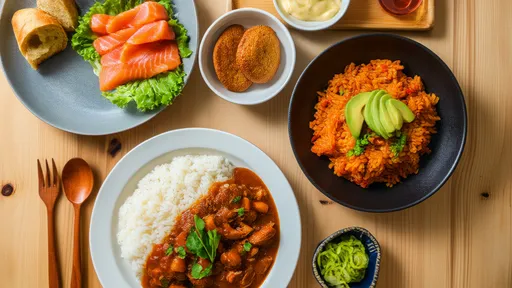
Some of these kitchens host multiple virtual brands under one roof. A single physical location, with one set of staff and equipment, might operate and fulfill orders for three or four different "restaurants" simultaneously. You might order a burrito from "Taqueria El Fuego," a side of wings from "Buffalo Bill's," and a cheesecake from "The Sweet Spot," completely unaware that all three items were prepared in the same kitchen, perhaps even by the same cook. This maximizes efficiency and revenue from a single lease and staff.
Even well-known, beloved chains are getting in on the action. That order from your favorite neighborhood sushi spot or that famous BBQ joint might not be coming from their familiar address downtown. To meet the soaring demand from delivery apps without overwhelming their in-house kitchen and compromising the dine-in experience, many are setting up satellite dark kitchens in strategic locations across a city. This reduces delivery times, keeps the food fresher, and expands their effective delivery radius without diluting their brand's physical presence.
However, this new frontier is not without its significant controversies and challenges. The most immediate question for the consumer is one of transparency. Is it ethical for a business to present itself on an app as a standalone restaurant when it is, in fact, a virtual brand operating out of a shared commissary kitchen? While the food quality might be excellent, some customers feel a sense of betrayal upon discovering the truth, as if the authentic connection to a local eatery has been severed and replaced by a corporate facade.
There are also pressing concerns regarding labor practices. The work in these kitchens is often described as grueling and repetitive, more akin to an assembly line than the creative, dynamic environment of a traditional restaurant kitchen. Workers may be tasked with cooking for several different menus, leading to a high-pressure environment focused on speed and volume. Questions about fair wages, benefits, and worker rights in these often opaque operations are at the forefront of industry debates.
Furthermore, the impact on the traditional restaurant landscape is profound. As dark kitchens continue to grab a larger share of the delivery market, the value of a physical restaurant with its high overhead costs is being called into question. Could the vibrant city streetscapes filled with unique storefronts and buzzing patios eventually give way to a dystopian future where our food emerges from anonymous, unmarked boxes on the outskirts of town? The threat to the cultural and social fabric that restaurants provide is a very real concern for many chefs and community advocates.
Regulators are also playing catch-up. How do health inspectors ensure consistent safety standards across these often-hidden facilities? What zoning laws apply to a commercial kitchen that has no public facing component? The legal and regulatory framework for this new industry is still being written, creating a gray area that some operators are keen to exploit.
Yet, for all its potential downsides, the dark kitchen phenomenon is a classic example of market adaptation. It is a direct response to our modern desire for convenience, variety, and speed. It has provided a lifeline for restaurateurs during economically turbulent times and a low-barrier entry point for aspiring chefs with great ideas but limited capital. It has democratized food delivery, allowing a thousand new culinary concepts to bloom without the traditional gatekeepers of real estate and massive startup loans.
The next time you unlock your phone to order a meal, the choice you make will have more behind it than you know. You are not just choosing between Thai or tacos; you are casting a vote for the future of food. Will it be a future of efficient, convenient, and innovative culinary production hidden in plain sight? Or will the intangible qualities of atmosphere, chef interaction, and the shared experience of a meal prepared in a real dining room prevail? The kitchen light may be off, but the debate over this shadowy industry is only just beginning.

By /Aug 29, 2025

By /Aug 29, 2025
By /Aug 29, 2025
By /Aug 29, 2025
By /Aug 29, 2025
By /Aug 29, 2025

By /Aug 29, 2025
By /Aug 29, 2025
By /Aug 29, 2025

By /Aug 29, 2025
By /Aug 29, 2025
By /Aug 29, 2025

By /Aug 29, 2025
By /Aug 29, 2025
By /Aug 29, 2025
By /Aug 29, 2025
By /Aug 29, 2025
By /Aug 29, 2025
By /Aug 29, 2025
By /Aug 29, 2025
