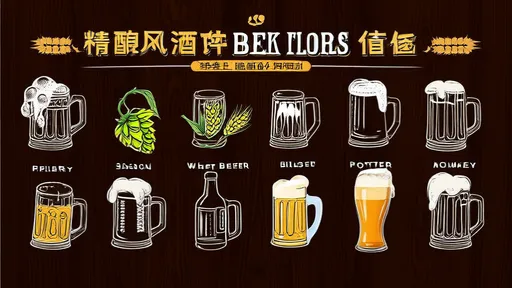
Navigating the world of craft beer can be both an exhilarating and daunting experience, especially when faced with the sheer diversity of styles available. From the hop-forward intensity of India Pale Ales to the rich, velvety depths of Stouts, each beer style tells a unique story through its ingredients, brewing techniques, and historical roots. Understanding these styles not only enhances appreciation but also guides enthusiasts toward new favorites and brewing innovations. This guide serves as a comprehensive overview, breaking down the characteristics that define popular categories without reducing them to mere bullet points.
India Pale Ale, commonly known as IPA, has become synonymous with the craft beer revolution. Its origins trace back to the 18th century when British brewers added extra hops to preserve beer during long voyages to India. Today, IPAs are celebrated for their bold hop profiles, which can impart flavors ranging from citrus and pine to tropical fruits and floral notes. The bitterness, measured in International Bitterness Units (IBUs), often sits between 40 and 70, providing a crisp, refreshing finish that appeals to those who enjoy a assertive beer. Substyles like West Coast IPA emphasize resinous and bitter qualities, while New England IPA (NEIPA) focuses on juiciness and hazy appearance with lower bitterness.
Moving away from the hop dominance of IPAs, Pale Ales offer a more balanced experience. Typically lighter in both color and alcohol content, Pale Ales feature a harmonious blend of malt sweetness and hop bitterness. American Pale Ales (APAs) often showcase citrusy and piney hop varieties like Cascade or Centennial, while English Pale Ales tend to be maltier with earthy, herbal hop notes. This style acts as a gateway for many into the craft beer world, providing approachability without sacrificing complexity.
For those seeking something maltier and richer, Amber Ales and Red Ales present a wonderful middle ground. These beers emphasize caramel, toasty, and biscuity malt flavors, with hops playing a supporting role to add balance rather than dominance. Amber Ales can range from slightly sweet to moderately bitter, making them versatile for various occasions. Their copper to reddish hues are visually inviting, and the smooth mouthfeel often makes them crowd-pleasers at social gatherings.
Brown Ales take the malt character a step further, delving into nutty, chocolatey, and caramel notes without the roastiness found in darker beers. English Brown Ales are known for their subtle sweetness and low bitterness, while American versions might incorporate more aggressive hopping or innovative ingredients like coffee or vanilla. This style exemplifies comfort in a glass, often evoking memories of autumn evenings or cozy pubs.
Porters and Stouts, often mentioned in the same breath, share a common ancestry but have distinct personalities. Porters originated in London as a dark, malt-driven beer for the working class, featuring flavors of chocolate, coffee, and caramel with a smooth finish. Stouts evolved from Porters, traditionally being stronger and more robust. Dry Stouts, like the famous Guinness, are characterized by their roasted barley notes, coffee-like bitterness, and dry finish. Sweet Stouts, or Milk Stouts, incorporate lactose for a creamy sweetness, while Imperial Stouts push the boundaries with high alcohol content and intense flavors of dark fruit, chocolate, and espresso.
Wheat Beers offer a refreshing departure from barley-based brews, often hazy and light-bodied with pronounced notes of banana, clove, and citrus. German Hefeweizens are the classic example, unfiltered and effervescent, while American Wheat Ales might be cleaner with subtle hop additions. Belgian Witbiers, spiced with coriander and orange peel, provide a zesty, aromatic alternative that pairs beautifully with warm weather.
Belgian-style beers encompass a wide spectrum, from Trappist ales brewed by monks to wild and funky Saisons and Lambics. Dubbels and Tripels are known for their complex yeast-driven flavors, combining fruitiness, spice, and malt sweetness with varying alcohol strengths. Saisons, originally farmhouse ales, are dry, peppery, and highly carbonated, often with earthy or herbal notes. Lambics stand out through spontaneous fermentation, resulting in tart, sour profiles that can be fruited (as in Kriek with cherries) or blended into Gueuze.
Sour Beers have gained immense popularity for their puckering acidity and innovative approaches. Berliner Weisse is a light, low-alcohol German sour, often served with syrups, while Gose incorporates salt and coriander for a unique savory twist. American Wild Ales use non-traditional yeast and bacteria to create complex, barrel-aged sour experiences that can range from mildly tart to mouth-puckeringly intense.
Lagers, though sometimes overlooked in craft circles, include gems like Pilsners, Helles, and Bocks. Pilsners are crisp, clean, and refreshing with a notable hop bitterness, while Munich Helles offers a maltier, softer alternative. Bocks are stronger lagers with rich malt profiles, and Doppelbocks amplify this with even more depth and alcohol. These beers showcase the brewer’s skill through their requirement for precise fermentation control.
Specialty and hybrid beers blur the lines between categories, incorporating unusual ingredients like fruits, spices, coffee, or even pastry elements. Pumpkin Ales autumn seasonal favorites, while Coffee Beers infuse cold brew or espresso for an extra kick. The creativity in this segment knows no bounds, reflecting the innovative spirit of the craft beer community.
Understanding beer styles is not about memorization but about exploration. Each sip offers insight into the brewer’s artistry and the cultural or historical context behind the beer. Whether you’re drawn to the bitter punch of an IPA, the malty warmth of a Stout, or the refreshing zest of a Wheat Beer, there’s a world of flavor waiting to be discovered. Use this guide as a starting point, but let your palate be the ultimate judge on your journey through the diverse landscape of craft beer.

By /Aug 29, 2025

By /Aug 29, 2025

By /Aug 29, 2025

By /Aug 29, 2025
By /Aug 29, 2025
By /Aug 29, 2025
By /Aug 29, 2025

By /Aug 29, 2025
By /Aug 29, 2025
By /Aug 29, 2025
By /Aug 29, 2025
By /Aug 29, 2025
By /Aug 29, 2025
By /Aug 29, 2025
By /Aug 29, 2025
By /Aug 29, 2025
By /Aug 29, 2025

By /Aug 29, 2025
By /Aug 29, 2025
By /Aug 29, 2025
