Shoulder Balance Principle for Carrying Suitcases on Board - Posture Protection for Common Travel Scenarios.

Aug 26, 2025 By

As frequent travelers know all too well, the simple act of carrying a carry-on bag through airports and onto planes can quietly wreak havoc on the body. We meticulously plan our itineraries and pack our bags with precision, yet often overlook the most critical piece of luggage we possess: our own physical form. The shoulder, a complex and delicate junction of bones, muscles, and tendons, becomes the unwitting workhorse of travel, bearing uneven loads for extended periods across concourses, up jet bridges, and into overhead bins. This constant, asymmetrical strain sets the stage for a journey marred by discomfort, pain, and potential long-term injury, turning what should be an exciting adventure into a physically taxing ordeal.

The human body is engineered for symmetry. Our posture, gait, and musculoskeletal system function optimally when weight is distributed evenly. The moment we sling a bag over one shoulder, we disrupt this delicate equilibrium. The body immediately compensates, initiating a subtle but significant chain reaction. The shoulder on the loaded side elevates and rolls forward in a protective, hunching gesture. To counterbalance the weight pulling us to one side, the opposite hip may jut out, and the spine contorts into a slight C or S curve. This isn't merely poor posture; it is the body's ingenious, yet ultimately damaging, attempt to remain upright under an imbalanced load. Over hours of travel, these compensations lead to muscle fatigue, ligament strain, and undue pressure on the spinal discs and joints.

Beyond the immediate ache in the trapezius muscle—the large muscle spanning the neck, shoulders, and back—the repercussions echo throughout the entire kinetic chain. Nerve compression, particularly in the brachial plexus that services the arm and hand, can cause tingling, numbness, or a burning sensation. The altered gait can lead to hip and knee pain, while the torqued spine can manifest as lower back pain long after the bag has been stowed away. For the business traveler or digital nomad who lives out of a carry-on, these issues can become chronic, silently eroding one's health trip after trip.

This is where the principle of shoulder balance becomes not just a recommendation, but a essential travel philosophy. It is the conscious practice of mitigating the unilateral stress of a carry-on bag through strategic load management and postural awareness. The goal is not to eliminate the load—that's often impractical—but to neutralize its negative impact, allowing the body to move as nature intended, even while navigating the unnatural environment of modern travel.

The most fundamental application of this principle is the simple, yet profoundly effective, act of regularly switching the bag from one shoulder to the other. This is not about finding your "strong side" and sticking with it; it is about sharing the burden equally. Establish a routine. Switch shoulders every time you pass a gate number, every time you stop to check your boarding pass, or every five minutes on a long walk to a terminal. This constant rotation prevents any single muscle group from being under continuous tension, giving each side periodic relief and drastically reducing the risk of fatigue and strain. It turns a sustained injury-provoking load into a series of manageable, brief efforts.

Of course, the best way to balance a load is to not carry it on your shoulders at all. This makes the choice of luggage paramount. A well-designed backpack is the gold standard for ergonomic travel, as it distributes weight evenly across the strongest muscles of the back and core, while freeing the hands and keeping the spine in a neutral alignment. For those who prefer a more professional look, a two-wheel rolling carry-on is a excellent alternative, allowing you to pull the weight behind you. However, be mindful of the "rolling suitcase syndrome"—constantly pulling with one arm can create its own set of asymmetrical strains. The key is, again, to switch hands frequently. The least advisable option is the single-strap messenger or duffel bag, which concentrates pressure on a very small area and encourages the worst compensatory postures.

How you pack is just as important as what you carry it in. The concept of load centralization is crucial. The heaviest items—shoes, toiletry kits, electronics—should be placed in the center of the bag, as close to your back as possible. This positions the weight's center of gravity near your body's own, minimizing the lever arm effect that pulls you backward and to the side, which forces your muscles to work exponentially harder to maintain stability. A bag with a poorly placed heavy laptop in a front compartment, for instance, will feel much heavier and cause far more postural distortion than the same bag with that weight positioned centrally.

Your journey through the airport is not a race to the finish line; it is a series of movements that can be optimized for bodily preservation. Instead of trudging endlessly under load, integrate strategic pauses. When you reach a waiting area at your gate, take the precious minutes before boarding to gently place your bag on the ground. Perform subtle, restorative movements: slowly roll your shoulders backwards, gently tilt your head from side to side, and practice standing with your weight evenly distributed on both feet. These micro-breaks provide critical respites for your muscles, reset your posture, and prevent the cumulative strain that leads to pain.

The principles of shoulder balance extend beyond the airport. The cramped confines of an airplane cabin present their own challenges. Once your bag is safely overhead, your work is not done. Seated posture is paramount. Avoid slumping or craning your neck. Use a small lumbar roll or even a rolled-up sweater behind your lower back to maintain the spine's natural curve. Periodically perform seated exercises: shoulder shrugs, neck stretches, and ankle circles all promote circulation and prevent stiffness, ensuring you arrive at your destination feeling more alert and less battered.

Adopting the shoulder balance法则 is an investment in your travel longevity. It is a commitment to arriving at your destination—whether for business or pleasure—ready to engage with the world, not retreat to a hotel bed with an ice pack. It transforms travel from a physically draining necessity into a sustainable, and even enjoyable, part of your life. By mindfully managing the load you carry, you are ultimately lightening the burden on your future self, preserving your vitality for all the journeys yet to come.

Recommend Posts
Health

Emergency Sugar Source for Diabetics on the Go - Practical Preparations for Managing Hypoglycemia"

By /Aug 26, 2025

For individuals managing diabetes, the simple act of stepping out the door requires a level of preparedness that others might never consider. The specter of hypoglycemia, a sudden and potentially dangerous drop in blood sugar, is a constant companion. It doesn't discriminate based on your plans—a quick trip to the grocery store, a long commute, or an afternoon hike. This reality makes one item non-negotiable: a reliable, quickly accessible source of emergency sugar. The choice of this emergency sugar source is far from trivial; it is a critical component of daily diabetes management and personal safety.
Health

Incorporating Balance Training into Daily Chores: The Toe-Stand Irrigation Method for Balcony Greenery"

By /Aug 26, 2025

As urban living spaces continue to shrink and wellness practices become more integrated into daily routines, a simple yet brilliant method has emerged from the intersection of household chores and physical fitness: the tiptoe watering technique for balcony plants. This approach transforms the mundane task of hydrating your green companions into an opportunity for improving balance, strengthening muscles, and enhancing mindfulness—all without requiring extra time, equipment, or space.
Health

Developing Hidden Exercise Opportunities: Pelvic Floor Exercises While Hand-Washing Small Laundry"

By /Aug 26, 2025

In our fast-paced modern lives, finding time for fitness often falls by the wayside amidst professional commitments and personal responsibilities. Yet what if the very moments we consider lost to mundane tasks could become opportunities for strengthening our bodies? The concept of multitasking fitness isn't new, but its application to pelvic floor exercises during hand-washing small garments presents a revolutionary approach to integrating wellness into our daily routines.
Health

Bands Stretching Plan for Behind-the-Door Space Utilization - Developing Fitness Uses in Ultra-Small Home Spaces

By /Aug 26, 2025

In the ever-evolving landscape of home fitness, the challenge of maximizing minimal space has become a central concern for urban dwellers and those with compact living arrangements. The quest for effective workouts without dedicating an entire room to equipment has led to innovative solutions, and among the most promising is the strategic use of resistance bands anchored to a simple, sturdy door. This approach transforms an otherwise passive architectural feature into a dynamic anchor point for a full-body stretching and strength regimen, marrying convenience with functionality in a remarkably efficient package.
Health

Shoulder Balance Principle for Carrying Suitcases on Board - Posture Protection for Common Travel Scenarios.

By /Aug 26, 2025

As frequent travelers know all too well, the simple act of carrying a carry-on bag through airports and onto planes can quietly wreak havoc on the body. We meticulously plan our itineraries and pack our bags with precision, yet often overlook the most critical piece of luggage we possess: our own physical form. The shoulder, a complex and delicate junction of bones, muscles, and tendons, becomes the unwitting workhorse of travel, bearing uneven loads for extended periods across concourses, up jet bridges, and into overhead bins. This constant, asymmetrical strain sets the stage for a journey marred by discomfort, pain, and potential long-term injury, turning what should be an exciting adventure into a physically taxing ordeal.
Health

Squatting to Pick Up a Remote Control: Turning Everyday Movements into Exercise Opportunities"

By /Aug 26, 2025

We've all been there. You're lounging on the couch, engrossed in your favorite show, when the remote slips from your grasp and tumbles to the floor. A sigh escapes your lips. Another interruption. But what if I told you that this minor inconvenience, this all-too-common domestic disturbance, is actually a hidden invitation? An opportunity disguised as a nuisance. Instead of groaning and performing a lazy, half-hearted reach, you can choose to see the fallen clicker for what it truly is: a chance to move. A micro-moment of fitness waiting to be claimed. This is the philosophy of movement integration, the art of turning the mundane into the physical.
Health

Cleaning Grill Racks: The Impact on Health and Future Cooking"

By /Aug 26, 2025

There is perhaps nothing more quintessentially summer than the sizzle of food hitting a hot grill. The aroma of charcoal, the laughter of friends, the promise of a perfectly seared steak or a charred ear of corn—it’s a sensory experience deeply embedded in our culture. Yet, in the eager anticipation of the meal to come, a critical step is often overlooked in the post-feast cleanup: the thorough scrubbing of the grill grates. Many a backyard chef, weary and full, gives the grates a cursory brush or, worse, leaves the charred remnants for "next time," believing the fire will purify all. This common oversight, however, sets the stage for a cycle of degradation that impacts not only the quality of your food but also, potentially, your health. The persistent buildup of carbonized grease and food debris, known as grill gunk, is far more than an aesthetic issue; it is a culinary and health hazard that demands our attention.
Health

Temperature Settings for Car Refrigerators During Long Road Trips: Ensuring Food Safety in Various Scenarios

By /Aug 26, 2025

As the open road stretches before you and the landscape transforms outside your windows, the joy of a long-distance road trip becomes palpable. Among the essential companions for such journeys, the car refrigerator stands as a silent guardian of both culinary delight and health safety. Unlike stationary refrigeration, its mobile nature demands a nuanced approach to temperature management—one that harmonizes with the rhythm of travel, the diversity of food items, and the imperative of preventing foodborne illnesses. Understanding how to set and maintain optimal temperatures isn't just a matter of convenience; it's a critical practice in ensuring that your adventure remains memorable for all the right reasons.
Health

Easy Techniques for Opening Aluminum Foil Blister Packs for the Elderly

By /Aug 26, 2025

For many seniors, the simple act of opening medication packaging can become a daily struggle that stands between them and their health. The ubiquitous aluminum blister packs, or push-through packs, designed to protect medication integrity and ensure child safety, often present a formidable challenge to aging hands. Diminished grip strength, arthritis, reduced dexterity, and visual impairments can transform this routine task into a source of frustration, anxiety, and even potential danger. An inability to access medication can lead to missed doses, compromised treatment plans, and in moments of desperation, the use of unsafe tools like scissors or knives, which increases the risk of injury or contaminating the medication itself. Addressing this issue is not merely a matter of convenience; it is a critical component of supporting medication adherence and overall safety for our aging population.
Health

Microwave Soup Heating: Anti-Splash Lid Usage for Everyday Kitchen Troubles"

By /Aug 26, 2025

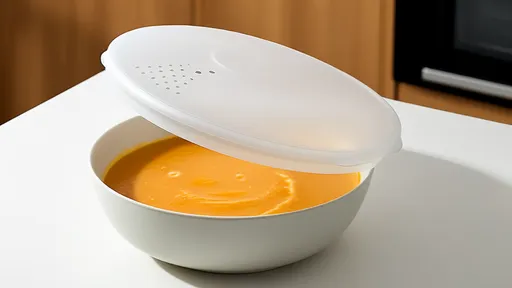
It happens to all of us. You’re reheating a bowl of soup or stew in the microwave, anticipating a warm and comforting meal, only to open the door to a scene of culinary chaos. Splatters coat the interior walls, the turntable is slick with liquid, and your once-appetizing lunch now looks like it’s been through a spin cycle. This familiar kitchen nuisance is more than just a mess to clean up; it’s a waste of food and a potential hazard, as superheated liquids can sometimes erupt violently. Fortunately, a simple and often underutilized tool offers an elegant solution: the microwave splatter cover.
Health

Renewal Cycle of Children's Sippy Cup Straw Valves - Focus on the Subtle Parts Prone to Bacterial Growth"

By /Aug 26, 2025

As parents, we often focus on the visible cleanliness of our children's sippy cups, scrubbing the bottles and ensuring no residue remains in the cup itself. However, one critical component frequently escapes thorough attention: the valve in the spout. This small, often flexible piece is crucial for preventing leaks, but its design also makes it a hotspot for bacterial growth. Despite our best efforts in washing and sterilizing, these valves can harbor moisture and organic matter in their crevices, creating an ideal environment for microbes to thrive. The issue isn't just about cleanliness; it's about the health risks posed by unseen pathogens that could lead to gastrointestinal issues or other infections in young children.
Health

Reviving Soggy Nuts: Baking Techniques for Food Preservation"

By /Aug 26, 2025

There’s nothing quite as disappointing as reaching for a handful of nuts, only to find they’ve lost their signature crunch. Time, air, and moisture are the sworn enemies of nuts, robbing them of their satisfying texture and, to some extent, their vibrant flavor. That soft, chewy, or even slightly stale quality is a telltale sign that moisture has infiltrated their cellular structure. For many, this would signal the end of the road for that batch, destined for the compost bin or, at best, a blended existence in a smoothie where texture is irrelevant. But what if I told you that all is not lost? That with a little heat and time, you can breathe new life into these seemingly doomed snacks? This isn't just a kitchen hack; it's a culinary resurrection.
Health

Distinguishing the Safety of Pre-cooked Meal Tray Materials - In-Depth Selection of Healthy Packaging Materials.

By /Aug 26, 2025

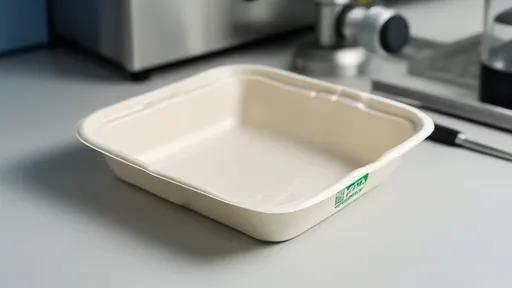
In the bustling aisles of modern supermarkets, the convenience of pre-prepared meals has become a staple for countless households. These ready-to-cook or heat-and-eat offerings promise to save time without sacrificing flavor, nestled within their sleek, vacuum-sealed packaging. Yet, as consumers increasingly prioritize health and sustainability, a critical question emerges from beneath the glossy exteriors: what lies within, specifically the trays that cradle our food, and how do their materials impact our well-being? The journey into the world of prepackaged meal trays is not merely about convenience; it is an exploration of material safety, environmental responsibility, and informed consumer choice.
Health

A Guide to Choosing an Oil Sprayer for Air Fryer Cooking: Controlling Fat Intake Through Tool Selection

By /Aug 26, 2025

In the world of modern cooking appliances, air fryers have emerged as a revolutionary tool for health-conscious individuals seeking to enjoy their favorite fried foods with significantly less oil. While these devices are designed to circulate hot air for achieving that desirable crispy texture, many users still incorporate a small amount of oil to enhance flavor and browning. This is where the humble yet crucial tool—the oil sprayer—comes into play. Choosing the right oil sprayer isn't just about convenience; it's a strategic decision that directly impacts how much fat ends up in your meals. Understanding the nuances of these tools can empower you to take precise control over your dietary oil intake without sacrificing the culinary results you crave.
Health

Regular Cleaning Reminder for Office Water Dispensers - Paying Attention to the Hygiene Details of Public Equipment.

By /Aug 26, 2025

In the quiet hum of the modern workplace, few fixtures are as universally relied upon yet as frequently overlooked as the office water cooler. This unassuming appliance stands as a silent sentinel of hydration, a gathering point for brief conversations, and a cornerstone of daily office life. Yet, despite its constant use, the maintenance of this essential device often falls by the wayside, tucked away in the periphery of administrative priorities. The topic of its cleanliness, while perhaps not the most glamorous, is one that speaks volumes about an organization’s commitment to health, well-being, and the finer details of workplace care.
Health

Iron-Fortified Breakfast Cereal Options for Vegetarians

By /Aug 26, 2025

For those embracing a plant-based lifestyle, mornings often begin with a familiar ritual—the comforting bowl of breakfast cereal. It’s quick, versatile, and undeniably satisfying. Yet, for vegans and vegetarians, this daily habit carries an added layer of nutritional significance, particularly when it comes to iron. Iron is a cornerstone of vitality, essential for energy, cognitive function, and oxygen transport throughout the body. While animal products like red meat and liver are famously iron-rich, plant-based eaters must navigate a different landscape to meet their needs. This is where the humble breakfast cereal transforms from a simple meal into a strategic opportunity for nourishment.
Health

Vacuum Sealing for Humid Season Pharmaceutical Packaging

By /Aug 26, 2025

As the humid southern monsoon season approaches pharmaceutical manufacturers across subtropical regions, an invisible battle takes place inside every medicine bottle and blister pack. The persistent challenge of vacuum sealing for drug packaging during the humid season known as "Hui Nan Tian" represents a critical frontier in pharmaceutical preservation. This period of intense humidity and temperature fluctuations demands extraordinary measures to maintain drug efficacy and patient safety.
Health

Analysis of Certification Logos on Organic Food Packaging

By /Aug 26, 2025

In the bustling aisles of modern supermarkets, a quiet revolution unfolds on the shelves. Organic products, once niche offerings, now command significant space, each package vying for consumer attention with promises of purity, sustainability, and health. Yet, for the discerning shopper, the true story of an organic product is not told by its marketing claims but by the small, often intricate certification seals adorning its packaging. These emblems are the gatekeepers of trust in an industry where the term "organic" can be both a powerful differentiator and a vulnerable target for misuse. Understanding these symbols is not merely an exercise in consumer awareness; it is essential for navigating the complex landscape of modern food production and making choices that align with one's values concerning personal health and environmental stewardship.
Health

Alcohol Spray Disinfection for KTV Microphones

By /Aug 26, 2025

In the vibrant world of karaoke entertainment, the humble microphone stands as both a symbol of joyous expression and a potential vector for germ transmission. As patrons pour their hearts into beloved ballads and upbeat tunes, these devices pass from hand to hand, accumulating microorganisms with each performance. The quest for effective sanitation solutions has led many establishments to adopt food-grade alcohol sprays as their frontline defense against contamination, creating a fascinating intersection of public health, chemistry, and entertainment culture.
Health

Clean the Barefoot Contact Surface of a Body Fat Scale

By /Aug 26, 2025

In the age of smart health devices, body fat scales have become a common household item for those keen on tracking their fitness journey. These nifty gadgets offer insights beyond mere weight, providing data on body fat percentage, muscle mass, and even bone density. However, one aspect often overlooked by users is the maintenance of the scale's barefoot contact surface—the very interface that enables these detailed readings. Neglecting this critical component can not only skew your data but also pose hygiene risks. This article delves into the importance of keeping your scale's contact surface clean, offering practical advice to ensure accuracy and longevity.