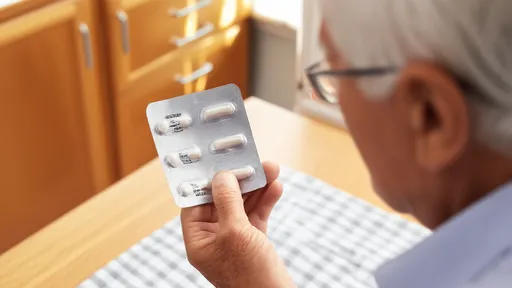
For many seniors, the simple act of opening medication packaging can become a daily struggle that stands between them and their health. The ubiquitous aluminum blister packs, or push-through packs, designed to protect medication integrity and ensure child safety, often present a formidable challenge to aging hands. Diminished grip strength, arthritis, reduced dexterity, and visual impairments can transform this routine task into a source of frustration, anxiety, and even potential danger. An inability to access medication can lead to missed doses, compromised treatment plans, and in moments of desperation, the use of unsafe tools like scissors or knives, which increases the risk of injury or contaminating the medication itself. Addressing this issue is not merely a matter of convenience; it is a critical component of supporting medication adherence and overall safety for our aging population.
The physical barriers faced by older adults are multifaceted. Arthritis, a common ailment in later years, causes pain and stiffness in the joints, making the pinching and pushing motion required by standard blister packs painful or impossible. Reduced muscle strength, particularly in the hands and fingers, means that even without pain, the force needed to pop a pill through the foil might be insufficient. Conditions like Parkinson's disease can introduce tremors, further complicating precise movements. Furthermore, age-related vision changes such as presbyopia, cataracts, or macular degeneration make it difficult to see the perforations, read the small print indicating which side to push from, or even distinguish one pill from another. This combination of factors turns a designed-for-safety feature into a significant accessibility hurdle.
Fortunately, a variety of techniques and tools have been developed to bridge this gap between design and need. One of the simplest and most effective methods is to place the blister pack on a firm, flat surface like a countertop or table. Instead of trying to pinch the pill between fingers, the user can place a finger or thumb directly on top of the pill and apply firm, downward pressure. This technique leverages the stronger muscles of the arm and shoulder rather than relying solely on the finer, and often weaker, muscles of the fingers. The hard surface provides the necessary resistance for the pill to cleanly break through the foil layer. This small change in approach can dramatically reduce the strain on arthritic joints.
For those who need more assistance, a wide array of inexpensive and readily available aids can be life-changing. Blister pack openers are devices specifically designed for this purpose. They typically feature a well or slot where a single blister is inserted. A lever or plunger is then pressed, applying even and concentrated force to push the pill out into a contained chamber, preventing it from flying across the room. These devices require minimal grip strength and dexterity, making them ideal for individuals with severe arthritis. Their design prioritizes safety, keeping fingers away from the foil edges and securing the medication for easy retrieval.
Common household items can also be repurposed as effective opening aids. A simple bottle cap can work wonders; place the cap upside down on the table, set the blister cell into the cap's recess, and push down. The concave shape of the cap cradles the pill, guiding it through the foil and containing it. Similarly, a wooden clothes peg can be used to grip the edge of the blister card, providing leverage and eliminating the need to pinch the pill cell itself. For those with very low vision, tactile markers like a raised dot of puffy paint or a small rubber bumper sticker can be placed near the edge of the pack or on specific cells to help identify the correct end to push from or to differentiate between medications.
Beyond technique and tools, the role of caregivers, pharmacists, and family members is paramount. Proactivity is key. Pharmacists can play a crucial role by initiating conversations about accessibility during medication reviews. Simply asking, "Do you have any trouble opening your packages?" can open the door to providing solutions. They can recommend and demonstrate assistive devices, many of which can be found in pharmacies or online. For prescriptions that are regularly filled, they can explore the possibility of alternative packaging options with the prescribing doctor, such as easy-open bottles or calendar packs, if appropriate and available.
Caregivers and family members can provide practical, hands-on support. This can range from pre-opening a week's worth of medication and transferring it into a easy-open compliance aid (always under the guidance of a pharmacist to ensure this doesn't affect the drug's stability) to simply taking the time to teach and practice the surface-pushing technique. Regularly inspecting packaging for signs of struggle—such as torn foil, mangled blisters, or pills that appear crushed—can provide silent clues that an older adult is having difficulty. Creating a safe and open environment where they feel comfortable admitting the challenge without embarrassment is perhaps the most important support of all.
The conversation also extends to manufacturers and regulators. There is a growing push for universal design principles in pharmaceutical packaging—creating packs that are inherently accessible to the widest range of abilities without compromising safety. This includes designs that require less force to open, feature larger tabs for gripping, incorporate clearer, high-contrast printing, and utilize materials that are easier to tear or peel. The goal is to innovate beyond the traditional push-through blister to create packages that are child-resistant but also senior-friendly. Advocacy groups continue to emphasize that safety must be inclusive, protecting the youngest members of the household without alienating the oldest.
Ultimately, ensuring easy access to medication is a fundamental aspect of respecting the dignity and independence of older adults. It empowers them to manage their own health effectively and safely. By combining practical techniques, simple tools, and supportive dialogue, we can dismantle the physical barriers presented by everyday packaging. This collective effort—involving individuals, caregivers, healthcare professionals, and the industry—helps guarantee that something as simple as opening a pill pack does not become an obstacle to health, well-being, and autonomy in later life.

By /Aug 26, 2025

By /Aug 26, 2025

By /Aug 26, 2025
By /Aug 26, 2025

By /Aug 26, 2025
By /Aug 26, 2025

By /Aug 26, 2025
By /Aug 26, 2025
By /Aug 26, 2025
By /Aug 26, 2025

By /Aug 26, 2025

By /Aug 26, 2025
By /Aug 26, 2025
By /Aug 26, 2025
By /Aug 26, 2025

By /Aug 26, 2025
By /Aug 26, 2025

By /Aug 26, 2025

By /Aug 26, 2025

By /Aug 26, 2025
