In the bustling aisles of modern supermarkets, the convenience of pre-prepared meals has become a staple for countless households. These ready-to-cook or heat-and-eat offerings promise to save time without sacrificing flavor, nestled within their sleek, vacuum-sealed packaging. Yet, as consumers increasingly prioritize health and sustainability, a critical question emerges from beneath the glossy exteriors: what lies within, specifically the trays that cradle our food, and how do their materials impact our well-being? The journey into the world of prepackaged meal trays is not merely about convenience; it is an exploration of material safety, environmental responsibility, and informed consumer choice.
The most common materials encountered in these trays include various plastics, aluminum, molded fiber, and sometimes biodegradable composites. Each type brings its own set of characteristics, benefits, and potential concerns. Plastics, for instance, are favored for their durability, lightweight nature, and cost-effectiveness. However, not all plastics are created equal. Polypropylene (PP) and polyethylene terephthalate (PET) are generally considered safe for food contact, as they are resistant to heat and do not leach harmful chemicals under normal conditions. In contrast, polystyrene (PS) or polyvinyl chloride (PVC) may raise red flags; these can release undesirable compounds, especially when exposed to high temperatures during microwaving. It is crucial for consumers to check recycling codes—usually found on the bottom of trays—to identify the plastic type. Codes 1 (PET), 2 (HDPE), 4 (LDPE), and 5 (PP) are typically safer bets, while avoiding those marked 3 (PVC), 6 (PS), and 7 (other, which may include BPA-containing plastics) is advisable.
Aluminum trays are another popular choice, prized for their excellent heat conduction, which ensures even cooking. They are also recyclable, adding an eco-friendly edge. But here, too, caution is warranted. While aluminum itself is not inherently harmful, acidic or salty foods can cause the metal to leach into the meal. Although the amounts are usually minimal and within regulatory limits, consistent exposure to high levels of aluminum has been linked to health issues in some studies. To mitigate this, many aluminum trays are coated with a thin layer of food-grade lacquer or polymer, creating a barrier between the metal and the food. Consumers should look for indications that the tray is coated or anodized, which enhances safety. Nevertheless, those with specific health concerns might prefer to transfer food to glass or ceramic containers before heating, a simple step that eliminates any risk of leaching.
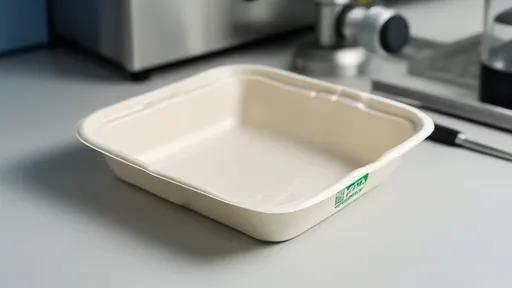
In recent years, eco-conscious alternatives have gained traction, with molded fiber trays leading the charge. Made from renewable resources like sugarcane bagasse, bamboo, or recycled paper, these trays are compostable and biodegradable, appealing to those looking to reduce their environmental footprint. From a health perspective, they are generally free from synthetic chemicals and do not leach toxins, making them a safe bet for food contact. However, it is important to note that some molded fiber products may be treated with per- and polyfluoroalkyl substances (PFAS) to enhance grease and water resistance. These "forever chemicals" have been associated with adverse health effects, prompting scrutiny. Consumers should seek out products labeled as PFAS-free or certified by reputable organizations like the Biodegradable Products Institute (BPI), which ensures compliance with safety standards.
Beyond material type, the manufacturing processes and additives used can also influence safety. For example, plasticizers like phthalates, added to increase flexibility in some plastics, have been linked to endocrine disruption. Similarly, bisphenols (such as BPA), once common in food packaging, are now widely avoided due to health concerns. Regulations vary globally, with regions like the European Union enforcing stringent limits on such substances. Therefore, checking for certifications like FDA approval in the United States or LFGB compliance in Europe can provide additional reassurance. Moreover, the condition of the tray matters—cracks, warping, or discoloration might indicate degradation, potentially leading to chemical migration into food.
When it comes to usage, following manufacturer instructions is paramount. Many trays are designed for specific heating methods, whether oven, microwave, or stovetop. Exceeding recommended temperatures or times can compromise material integrity, increasing the risk of chemical transfer. For instance, microwaving a tray not intended for such use might cause it to melt or release fumes. Likewise, reusing single-use trays is ill-advised, as repeated exposure to heat and cleaning agents can degrade the material. Opting for reusable containers made from glass, stainless steel, or certified safe plastics for storage and reheating is a wiser long-term strategy for health-conscious individuals.
In the broader context, the push towards sustainability is reshaping the landscape of food packaging. Innovations such as trays made from polylactic acid (PLA), a biodegradable polymer derived from corn starch, offer a promising blend of safety and environmental friendliness. However, these materials often require industrial composting facilities to break down effectively, which may not be accessible to all consumers. Thus, while they represent a step forward, their practicality depends on local waste management infrastructure. Ultimately, the onus is on both manufacturers to prioritize safe, sustainable materials and on consumers to make informed choices.
Navigating the world of prepackaged meal trays requires a blend of vigilance and knowledge. By understanding the implications of different materials—from plastics and aluminum to biodegradable options—we can better safeguard our health and align our choices with environmental values. Look for clear labeling, heed usage guidelines, and when in doubt, transfer food to safer alternatives. In doing so, we not only protect ourselves but also drive demand for healthier, more sustainable packaging solutions, turning everyday decisions into powerful acts of conscious consumption.

By /Aug 26, 2025

By /Aug 26, 2025

By /Aug 26, 2025

By /Aug 26, 2025

By /Aug 26, 2025

By /Aug 26, 2025

By /Aug 26, 2025

By /Aug 26, 2025

By /Aug 26, 2025

By /Aug 26, 2025

By /Aug 26, 2025

By /Aug 26, 2025
By /Aug 26, 2025

By /Aug 26, 2025

By /Aug 26, 2025

By /Aug 26, 2025

By /Aug 26, 2025
By /Aug 26, 2025

By /Aug 26, 2025

By /Aug 26, 2025
