In the bustling aisles of modern supermarkets, a quiet revolution unfolds on the shelves. Organic products, once niche offerings, now command significant space, each package vying for consumer attention with promises of purity, sustainability, and health. Yet, for the discerning shopper, the true story of an organic product is not told by its marketing claims but by the small, often intricate certification seals adorning its packaging. These emblems are the gatekeepers of trust in an industry where the term "organic" can be both a powerful differentiator and a vulnerable target for misuse. Understanding these symbols is not merely an exercise in consumer awareness; it is essential for navigating the complex landscape of modern food production and making choices that align with one's values concerning personal health and environmental stewardship.
The journey of organic certification is a rigorous one, a path defined by strict standards and independent verification. It begins not with the product on the shelf but deep within the supply chain, at the farm. For a crop to be certified organic, the land on which it is grown must be free from prohibited substances, most notably synthetic pesticides and fertilizers, for a period of three years prior to harvest. This transition period is crucial for detoxifying the soil and establishing a natural ecosystem. Farmers must employ practices that maintain or improve soil and water quality, conserve wetlands, woodlands, and wildlife, and avoid the use of genetically modified organisms (GMOs). For livestock, the regulations are equally stringent, mandating access to the outdoors, organic feed, and a ban on antibiotics and growth hormones. This holistic approach ensures that organic certification speaks to a method of production, a philosophy of agriculture that works in harmony with nature rather than seeking to dominate it.
This entire system, however, would be meaningless without a robust mechanism for enforcement. This is where third-party certification bodies enter the picture. These independent organizations are accredited by governmental authorities to audit and verify that farmers, processors, and handlers are complying with the established organic standards. Their auditors conduct annual inspections, review detailed records, and may even perform residue testing to detect prohibited substances. It is only after successfully passing this meticulous audit that a producer is granted the license to use the certifier's seal on their products. This seal is therefore not a self-declared label but a hard-earned badge of honor, a testament to a producer's commitment to transparency and integrity. It represents a chain of custody that is documented and verified at every step, from seed to shelf.
While many countries have their own national organic standards and logos, the landscape is populated by a variety of private and non-profit certifiers, each with its own specific areas of focus or stricter supplemental requirements. In the United States, the USDA Organic seal is the most recognized national standard. However, seeing a USDA seal does not tell the whole story. The familiar green and white circle comes in three variations, indicating different percentages of organic content. "100% Organic" means exactly that—every ingredient is certified organic. "Organic" signifies that at least 95% of the ingredients are organic, with the remaining 5% being non-organic ingredients approved on the National List. Products labeled "Made with Organic" must contain at least 70% certified organic ingredients, but they cannot display the USDA seal on the front of the package. Understanding these distinctions is critical, as the presence of the seal alone does not guarantee a fully organic product.
Beyond the USDA, numerous other certifiers have built reputations for excellence, often exceeding the baseline federal requirements. The Non-GMO Project Verified butterfly seal, while not exclusively an organic marker, is a frequent companion on organic packaging, providing an additional layer of assurance against genetic modification, which is prohibited in organic production. Demeter USA offers Biodynamic® certification, a regenerative agricultural practice that goes beyond organic by viewing the farm as a self-sustaining organism. Their standards are among the highest in the world. For those concerned with animal welfare, the Certified Humane label can often be found alongside organic seals on meat and dairy products, indicating that the animals were raised with sufficient space, shelter, and gentle handling to limit stress. The presence of multiple certifications on a single package often indicates a producer's deep commitment to a multifaceted ethos of quality and ethics.
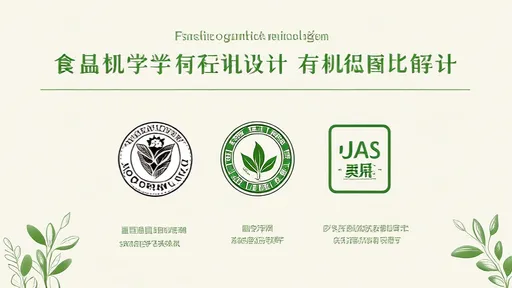
For the global consumer, the world of organic labels can appear even more complex. The European Union's Euro-Leaf, a stylized leaf of stars, is a mandatory logo for all pre-packaged organic food produced in EU member states. Canada's national standard is represented by the Canada Organic logo, which signifies compliance with the Canadian Organic Standards, largely harmonized with those of the U.S. and EU. Japan uses the JAS Organic mark. For a product to be sold as organic in a foreign market, it must typically be certified by a body recognized as equivalent by that country's agricultural authority. This international framework of equivalency agreements allows for a global organic market while striving to maintain consistent standards, though subtle differences in regulations regarding pesticides or animal welfare can still exist.
Despite this intricate system of checks and balances, the marketplace is not without its challenges. The term "organic" itself is sometimes co-opted by brands through what is known as "greenwashing"—employing marketing language and imagery that evoke naturalness and sustainability without the backing of certification. Words like "natural," "green," "eco-friendly," or "pasture-raised" may sound appealing but are largely unregulated and do not equate to organic standards. This is why the certified seal remains the ultimate authority. Furthermore, the cost and administrative burden of certification can be prohibitive for small-scale farmers who may indeed be using organic methods. This has led to the growth of direct relationships between consumers and producers through farmers' markets and Community Supported Agriculture (CSA) programs, where trust is built through transparency and conversation rather than a formal seal.
Ultimately, the power of the organic certification seal lies in the knowledge it imparts to the consumer. It is a shortcut through the fog of marketing claims, a reliable signal that the product in hand has been produced according to a defined set of ethical and environmental principles. It empowers individuals to vote with their wallets, supporting agricultural systems that prioritize soil health, biodiversity, and animal welfare. By taking a moment to look for and understand these symbols—be it the USDA circle, the Demeter badge, or the Euro-Leaf—shoppers become active participants in a larger movement. They are not just purchasing food; they are investing in a vision for the future of our planet's food supply, one certified product at a time. This conscious act of discernment transforms a routine grocery trip into a meaningful statement about the world we wish to cultivate.

By /Aug 26, 2025

By /Aug 26, 2025

By /Aug 26, 2025

By /Aug 26, 2025

By /Aug 26, 2025

By /Aug 26, 2025

By /Aug 26, 2025

By /Aug 26, 2025

By /Aug 26, 2025

By /Aug 26, 2025

By /Aug 26, 2025

By /Aug 26, 2025

By /Aug 26, 2025

By /Aug 26, 2025

By /Aug 26, 2025

By /Aug 26, 2025

By /Aug 26, 2025
By /Aug 26, 2025

By /Aug 26, 2025

By /Aug 26, 2025
