For individuals managing diabetes, the simple act of stepping out the door requires a level of preparedness that others might never consider. The specter of hypoglycemia, a sudden and potentially dangerous drop in blood sugar, is a constant companion. It doesn't discriminate based on your plans—a quick trip to the grocery store, a long commute, or an afternoon hike. This reality makes one item non-negotiable: a reliable, quickly accessible source of emergency sugar. The choice of this emergency sugar source is far from trivial; it is a critical component of daily diabetes management and personal safety.
The physiology behind a hypoglycemic episode is straightforward but urgent. When blood glucose levels fall too low, the brain, which relies almost exclusively on glucose for energy, is among the first organs to be affected. This can lead to symptoms like shakiness, sweating, confusion, dizziness, and irritability. If left untreated, it can progress to seizures, loss of consciousness, and constitute a medical emergency. The treatment is simple in theory: rapidly ingest a fast-acting carbohydrate to spike blood sugar levels back into a safe range. However, the practical execution of this treatment in the real world is where the challenge lies, and the choice of your emergency sugar is the key to meeting that challenge effectively.
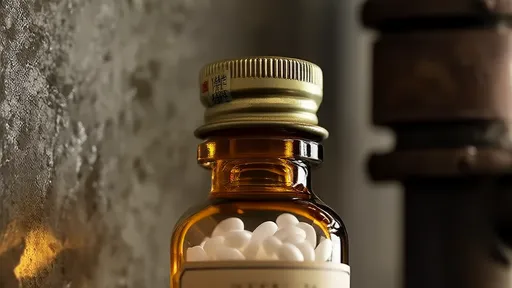
So, what constitutes an ideal emergency sugar source? The criteria are specific and must be carefully weighed. First and foremost, it must be a fast-acting carbohydrate. This means simple sugars that the body can break down and absorb into the bloodstream with minimal effort. Glucose tablets or gels are specifically designed for this purpose, as glucose is the most direct sugar the body uses. Other good options include sugar cubes, hard candies, or fruit juice. The goal is a rapid increase, not a sustained one, which is the role of more complex carbs or proteins consumed afterward.
Portability and durability are equally crucial. Your emergency sugar must be something you can carry on your person at all times without it becoming a burden. It should fit comfortably in a pocket, purse, or glove compartment. It also needs to be resilient. A chocolate bar, for instance, is a poor choice not only because its fat content slows sugar absorption but also because it will melt into an inedible mess on a warm day. Your life-saving tool must be able to withstand being carried daily through varying temperatures and conditions without degrading.
Accessibility in a crisis is perhaps the most overlooked factor. During a hypoglycemic episode, fine motor skills and cognitive function can deteriorate rapidly. Fumbling with a twist-tie on a bag of candy or trying to peel a stubborn wrapper can waste precious seconds and become an impossible task. The perfect emergency sugar is pre-portioned and requires minimal effort to access. Individually wrapped candies, a small bottle of juice with a flip cap, or gel that can be torn open with the teeth are all designed with this critical need in mind.
Beyond the physical product, the strategy for its use is vital. It is not enough to simply have sugar somewhere in your bag. It must be immediately at hand. The "somewhere" could be inaccessible if you're driving, in a meeting, or simply too disoriented to find it. Many seasoned individuals with diabetes advocate for the "two-location" rule: a primary source on your person (like a jacket pocket) and a secondary stash in a bag or car console. This redundancy is not paranoia; it is a smart safety protocol. Furthermore, it is essential to know exactly how much of your chosen product constitutes the standard 15-20 grams of carbohydrates recommended to treat a low. This prevents under-dosing, which fails to resolve the episode, or over-dosing, which can lead to a problematic high blood sugar rebound.
While commercial products like glucose tablets are engineered to meet all these criteria perfectly, some people prefer more commonplace options. A small box of raisins, a packet of honey, or even a small bottle of soda can serve the purpose. The downside to these is often the lack of precise dosing and their susceptibility to environmental factors. However, the best emergency sugar is ultimately the one you will consistently carry and can reliably use. Personal preference plays a role, so long as the core principles of speed, portability, and accessibility are met.
Finally, preparedness extends beyond the sugar itself. Informing your close friends, family, and coworkers about where you keep your emergency sugar and how they can help you if you become unable to treat yourself is a responsible and potentially life-saving step. Wearing a medical ID bracelet that identifies you as diabetic can alert first responders in a more serious situation. Your emergency sugar is your first line of defense, but it functions within a larger system of awareness and support.
Choosing and managing your emergency sugar source is a fundamental act of self-care for anyone with diabetes who values their independence. It is a small, simple tool that carries immense responsibility. By selecting a product that is fast-acting, durable, portable, and easy to access, you are not just carrying candy in your pocket. You are carrying confidence. You are carrying peace of mind. You are carrying the key to swiftly navigating a low and getting back to enjoying your day, wherever it may take you.

By /Aug 26, 2025

By /Aug 26, 2025

By /Aug 26, 2025
By /Aug 26, 2025
By /Aug 26, 2025

By /Aug 26, 2025
By /Aug 26, 2025
By /Aug 26, 2025
By /Aug 26, 2025
By /Aug 26, 2025

By /Aug 26, 2025

By /Aug 26, 2025
By /Aug 26, 2025
By /Aug 26, 2025
By /Aug 26, 2025

By /Aug 26, 2025
By /Aug 26, 2025

By /Aug 26, 2025
By /Aug 26, 2025

By /Aug 26, 2025
