There is perhaps nothing more quintessentially summer than the sizzle of food hitting a hot grill. The aroma of charcoal, the laughter of friends, the promise of a perfectly seared steak or a charred ear of corn—it’s a sensory experience deeply embedded in our culture. Yet, in the eager anticipation of the meal to come, a critical step is often overlooked in the post-feast cleanup: the thorough scrubbing of the grill grates. Many a backyard chef, weary and full, gives the grates a cursory brush or, worse, leaves the charred remnants for "next time," believing the fire will purify all. This common oversight, however, sets the stage for a cycle of degradation that impacts not only the quality of your food but also, potentially, your health. The persistent buildup of carbonized grease and food debris, known as grill gunk, is far more than an aesthetic issue; it is a culinary and health hazard that demands our attention.
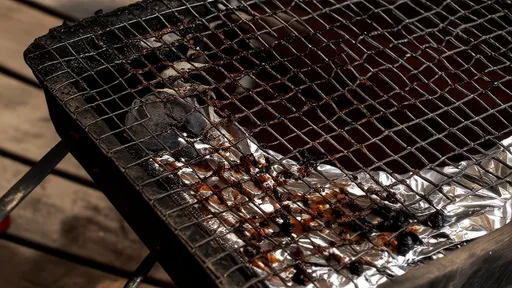
The journey of grill gunk begins innocently enough. As fats and juices from your food drip onto the hot surfaces below, they undergo a process called pyrolysis—thermal decomposition in the absence of oxygen. This doesn't just cook the residue; it transforms it. What was once a delicious marinade or a bit of hamburger fat is carbonized into a hard, black, and incredibly stubborn crust. This crust is not a uniform substance; it's a complex matrix of carbon, various polymers from burned fats, and charred food particles. With each subsequent grilling session, new layers are added, baking on top of the old ones. This accretive process creates a thick, insulating barrier that is notoriously difficult to remove. It’s a far cry from the non-stick, pristine surface you started with.
The most immediate and tangible impact of this buildup is on the performance of your grill and the quality of the food it produces. A layer of gunk acts as a thermal insulator, disrupting the efficient transfer of heat from the flames or heating elements to your food. This can lead to frustratingly uneven cooking—burnt on the outside, raw on the inside—as the heat distribution becomes erratic. Furthermore, that carbonized crust is anything but non-stick. Instead of achieving those beautiful, clean sear marks, your pristine chicken breast or fish fillet is likely to fuse to the debris on the grate. The result is a torn, messy presentation and a significant portion of your dinner left stuck to the grill, a frustrating loss for any cook.
Perhaps more insidiously, this stuck-on food and old grease becomes a primary source of flare-ups. When new drippings hit the hot grates and land on these pockets of old, flammable carbon, they can ignite into sudden, aggressive flames. These flare-ups do more than just threaten to incinerate your meal; they create carcinogenic compounds. Polycyclic Aromatic Hydrocarbons (PAHs) are formed when fat and juices from meat drip onto a heat source, causing flames and smoke that then deposit these chemicals onto the surface of the food. A dirty grill, laden with old grease, essentially becomes a factory for producing these undesirable compounds, increasing your exposure with every flare-up you experience.
Beyond the practical cooking nuisances lies a more pressing concern: the direct health implications of cooking on a dirty surface. The accumulated char is a porous landscape teeming with microbes. While the intense heat of grilling will kill most bacteria present on the *current* batch of food, it may not thoroughly penetrate the deep, dense layers of old gunk to eradicate all the pathogens hiding within. Bacteria from previous cooking sessions, such as Salmonella or E. coli, can survive in these crevices and contaminate your newly placed food. You are, in effect, cooking tonight’s dinner in yesterday’s bacterial playground.
Moreover, each time the grill is heated, the old carbonized material continues to break down further. This process can release additional harmful compounds into the smoke and air, which you then inhale, and onto the food, which you then consume. The cycle of reheating old, burned material essentially re-activates a cocktail of potential toxins with every use. While an occasional barbecue on a less-than-spotless grill is not a catastrophe, habitual neglect turns your beloved cooking appliance into a recurring source of low-level exposure to undesirable substances, contradicting the very idea of healthy, wholesome outdoor cooking.
Breaking this cycle is not merely about aesthetics; it is a fundamental aspect of responsible grilling. The good news is that incorporating a robust cleaning ritual into your routine is simpler than most people think and pays dividends in every meal that follows. The goal is to clean the grates while they are still warm, right after you’ve finished cooking. The heat has already loosened the bond between the grate and the gunk, making it exponentially easier to remove. A sturdy, long-handled brass bristle brush is the tool of choice for most grill masters. Brass is preferred over harder metals like steel because it is effective at scraping without scratching the surface of porcelain-enameled or stainless-steel grates, which could create grooves for more gunk to accumulate in the future.
For those who prefer to avoid bristle brushes due to concerns about stray wires contaminating food, excellent alternatives exist. Grill stones, pumice blocks, or specialized scrapers made of wood or laminate can be just as effective. For a deeper clean, especially if the grates have been neglected, removing them and soaking them in a mixture of warm water and dish soap can work wonders. After soaking, a scrubbing with a non-abrasive pad will lift away most of the residue. For the most stubborn, baked-on carbon, a paste made from baking soda and water applied before scrubbing can provide the extra abrasive power needed without resorting to harsh chemicals.
The ultimate step for both cleaning and sanitizing is to then fire up the grill for a final burn-off. After you’ve scrubbed the grates, close the lid and let the grill run on high heat for 10-15 minutes. This incinerates any remaining microscopic food particles and bacteria, leaving behind only a fine, white ash that can be easily brushed away before the next use. This process ensures you are starting your next culinary adventure with a surface that is not just visually clean, but microbiologically safe. It resets your grill, breaking the cycle of buildup and contamination for good.
Viewing grill maintenance as an integral part of the cooking process, rather than a dreaded chore, reframes the entire experience. A clean grill is a predictable, efficient, and safe tool. It heats evenly, sears perfectly, and imparts that genuine, smoky flavor we all crave without the bitter, acrid notes of burned-on residue. It is the guarantee of a meal cooked to perfection, with beautiful marks and flawless release. Most importantly, it is your assurance that you are serving food that is not only delicious but also prepared with the utmost regard for health and safety. The few minutes invested in post-grill care are a small price to pay for elevating your craft, protecting your well-being, and ensuring that every barbecue is a cause for celebration, not compromise.

By /Aug 26, 2025

By /Aug 26, 2025

By /Aug 26, 2025

By /Aug 26, 2025

By /Aug 26, 2025

By /Aug 26, 2025
By /Aug 26, 2025

By /Aug 26, 2025

By /Aug 26, 2025
By /Aug 26, 2025

By /Aug 26, 2025

By /Aug 26, 2025
By /Aug 26, 2025

By /Aug 26, 2025

By /Aug 26, 2025

By /Aug 26, 2025

By /Aug 26, 2025

By /Aug 26, 2025

By /Aug 26, 2025

By /Aug 26, 2025
